TNF India Vertical Intelligence.

The Signal · Construction and Infrastructure · Week 35, 2026

Did the NHAI achieve its target for highway construction this year?

Five reads on India's built environment this week.

In this edition

  1. 01The Award
    Who won the ₹2,360 crore contract for the Vadhavan Port connectivity expressway?
  2. 02The Acceleration
    Did the NHAI achieve its target for highway construction this year?
  3. 03The Window
    What is open on the Maharashtra state road development corporation listing?
  4. 04The Number
    How long is India's national highway network in 2026?
  5. 05The Pattern
    Is India's infrastructure expanding across all modes at the same time?

The Award

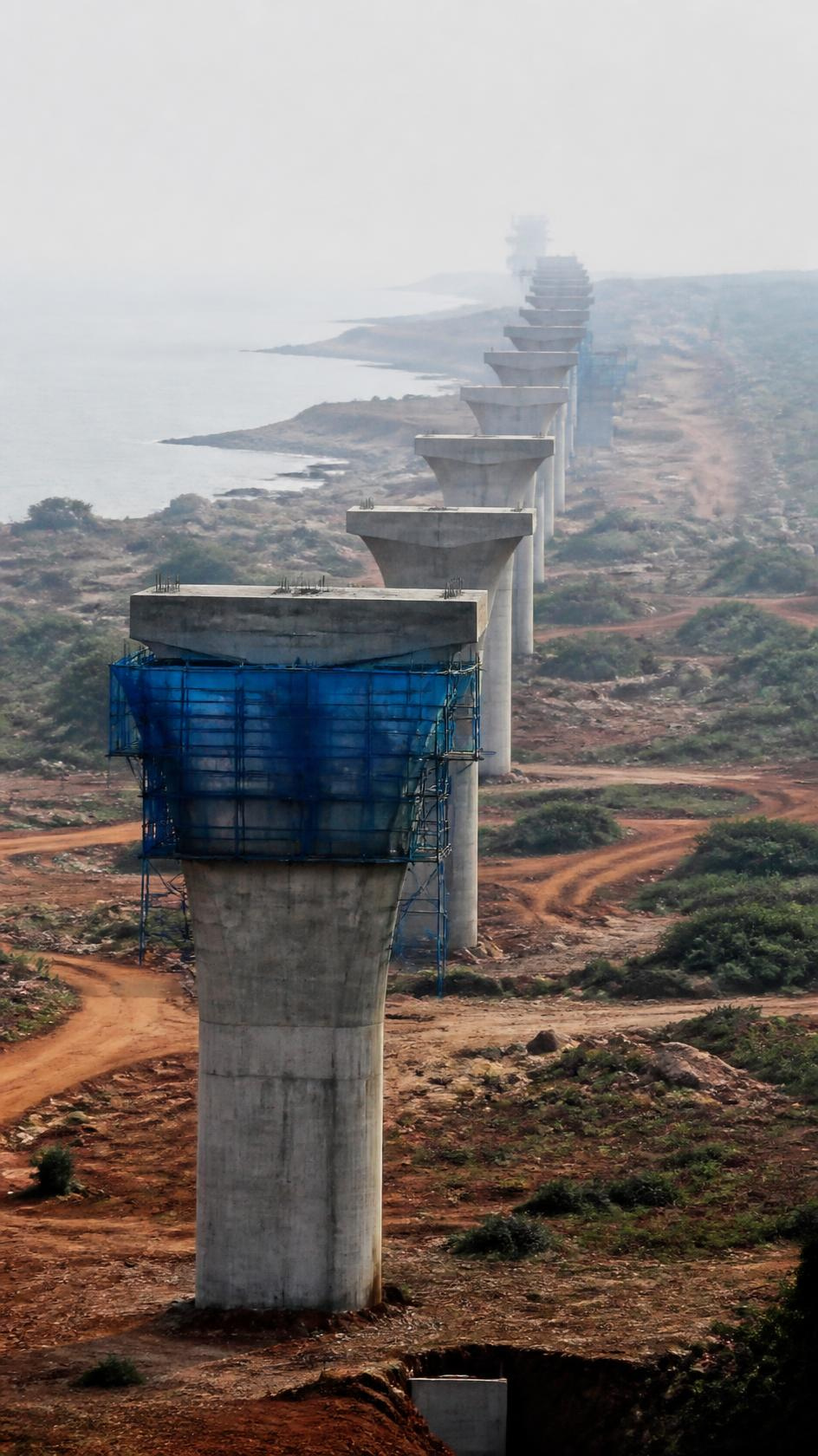
A line of completed bridge piers marching into coastal haze.
Expressway construction on a coastal alignment. Illustrative.

Who won the ₹2,360 crore contract for the Vadhavan Port connectivity expressway?

An engineering, procurement and construction contract worth ₹2,360 crore has been won by a joint venture between J. Kumar Infraprojects and Shinde Developers, to build the expressway linking the proposed Vadhavan Port to the national highway network in Maharashtra. The project is a 32.18 km four-lane expressway, capable of being extended to eight lanes, ending at Tawa Village on NH 48, to be completed within 30 months.

The sequencing is what should be noted. Port connectivity is being contracted while the port is still under construction, rather than after it opens. That is the opposite of the way Indian port hinterland links have historically been provided, and the single most common reason a new terminal fails to reach its designed throughput in its early years.

Why it matters

The four-lane design carries the capacity to expand to eight, which means someone has planned for traffic that does not yet exist and has secured the land and the structures for it. For anyone working the Maharashtra coast, that is a thirty-month window with a clear end state.

Next step

Materials suppliers and subcontractors should approach the joint venture now. On a 30-month EPC programme, package letting concentrates in the first two quarters.

Source and reference

Press Information Bureau, Government of India, and J. Kumar Infraprojects Limited exchange filing.
The Acceleration

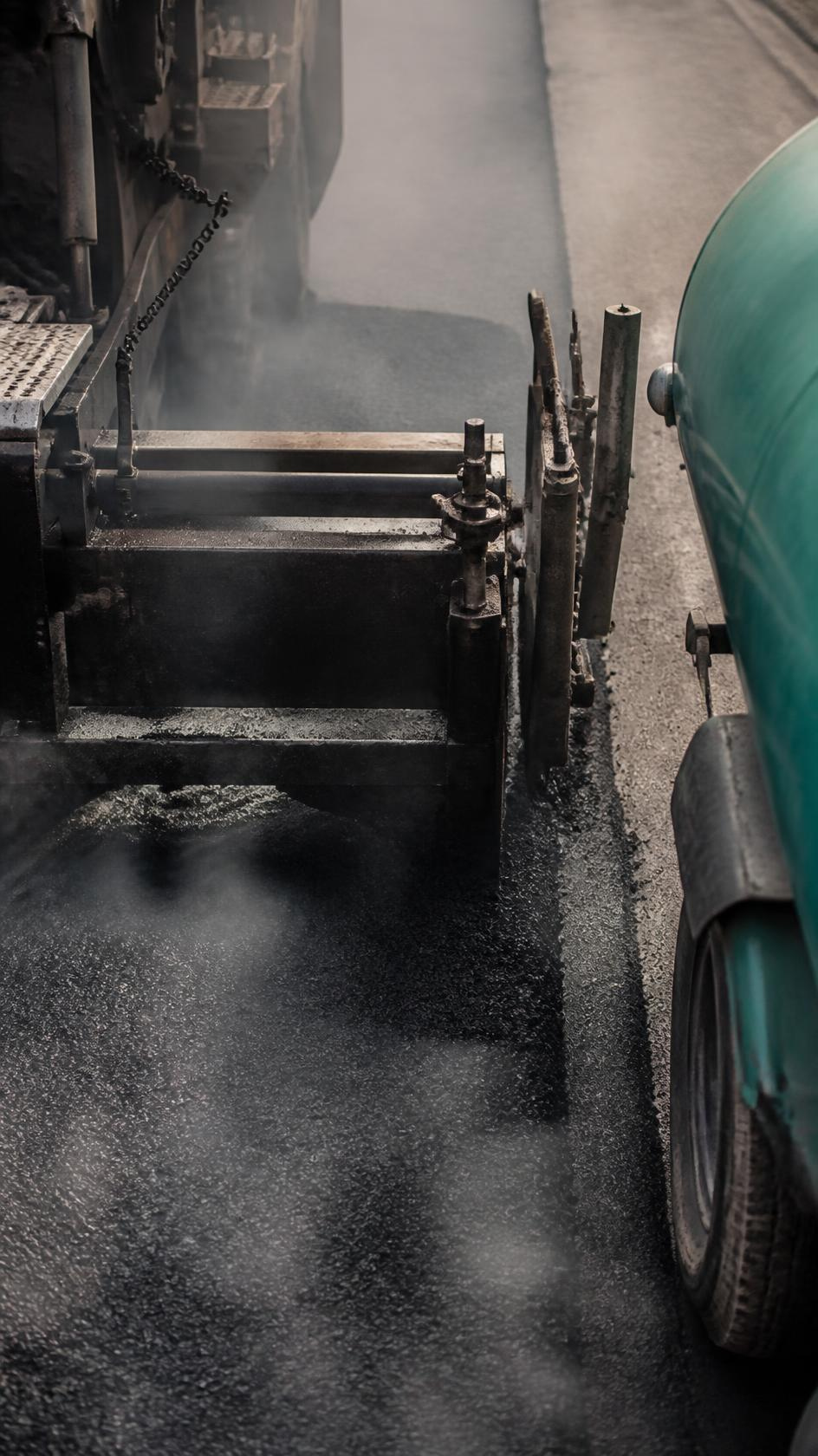
The screed edge of a paver spreading fresh asphalt.
A paving train laying bituminous concrete. Illustrative.

Did the NHAI achieve its target for highway construction this year?

Yes. In the financial year just ended, 5,313 km of national highways were built, about 15% above the 4,640 km target, at a capital outlay of ₹2,44,362 crore.

The relevant figure is the daily rate. It was about 11.6 km a day in 2013-14 and has risen to nearly 34 km a day. That is a tripling of sustained pace across a decade, and it is a supply chain achievement more than an engineering one: aggregate, bitumen, steel, plant and crews positioned across dozens of sites at once, with land acquired and clearances already obtained.

Why it matters

Demand has not been the limiting factor for years. The limitation is delivering reliably at pace across many sites at once, which is a data and logistics problem before it is a capacity problem.

Next step

When bidding on multi-front programmes, lead with evidence of delivery reliability rather than unit price. That is what is actually being bought.

Source and reference

Press Information Bureau, Government of India.

The Window

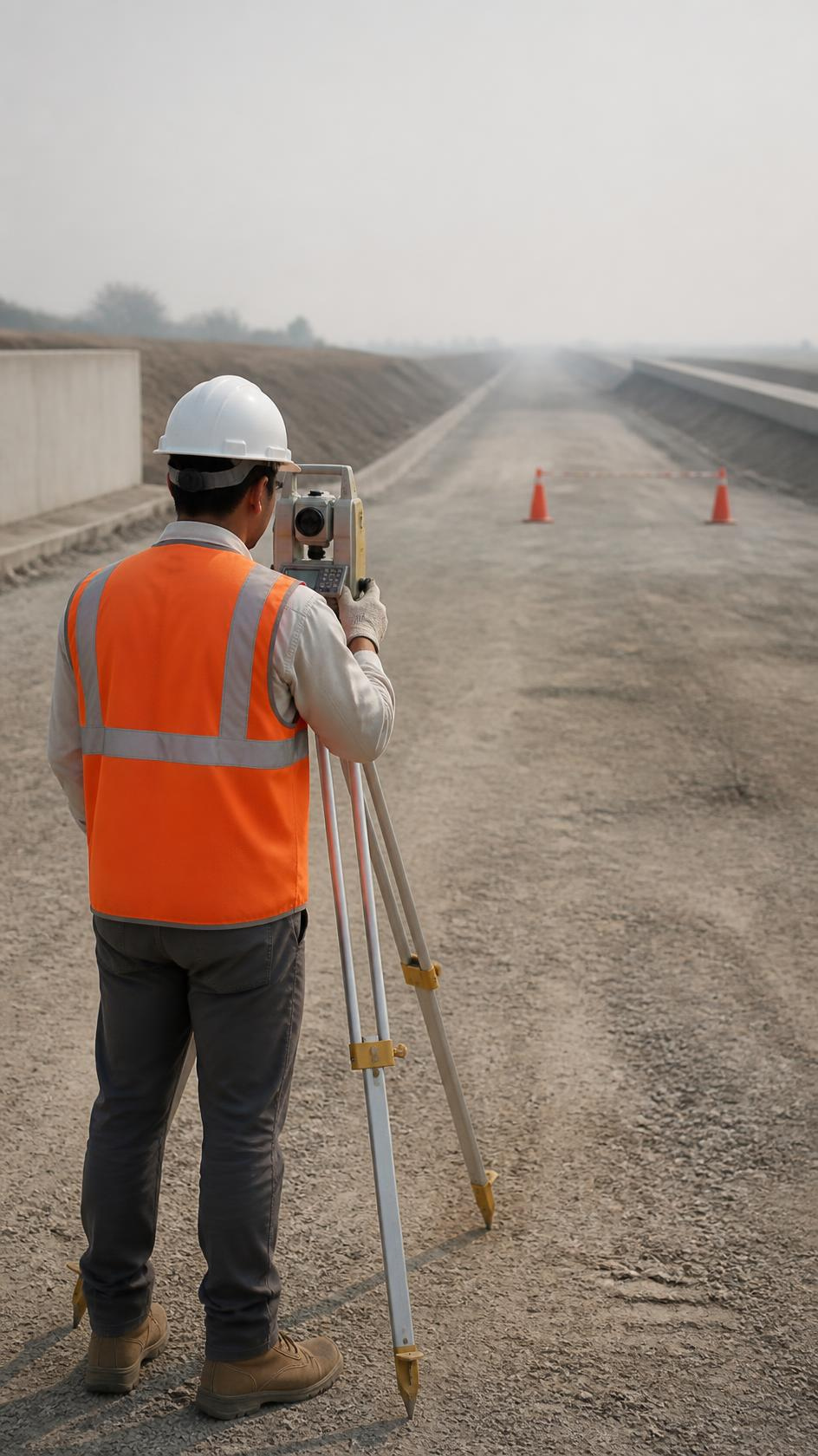
A total station on a tripod on an unfinished expressway corridor.
Survey equipment on an expressway corridor. Illustrative.

What is open on the Maharashtra state road development corporation listing?

Six tenders are open, with submission deadlines between 27 August and 15 September 2026. Three of them are worth a professional services firm's attention: a consultancy for GIS base maps and development plans along the Samruddhi expressway corridor, closing 15 September; an empanelment of design firms for sustainable and culturally led urban landscape projects, closing 7 September; and a long-term solar power sales agreement closing the same day. The remaining three are an advertising concession, a retail allotment and an office supply order.

The empanelment is the one that deserves a second look. It is not a single appointment but a position on a list that is drawn from repeatedly, typically without a fresh competitive procedure each time. One submission secures standing for a programme of work rather than for a particular project. The GIS mapping consultancy sits in the area the sector continually says it wants, with spatial data commissioned as its own scope rather than buried inside a construction package.

Why it matters

Estimated values are not published on this listing. That is normal for the portal and it means qualification, not price, is the first filter. Firms that assume a price fight and fail to prepare qualification evidence are beaten before the commercial stage.

Next step

Tender listing: msrdc.in, references T 2928, T 2931, T2925, T 2927, T 2934 and T 2933. Begin with the empanelment, since it carries the highest payoff per submission.

Dates to mark

27 August 2026 (earliest close). 7 September (design empanelment; solar). 15 September (GIS mapping consultancy).

Source and reference

Maharashtra State Road Development Corporation tender listing, re-verified 25 August 2026. Confirm dates on the portal before acting.

The Number

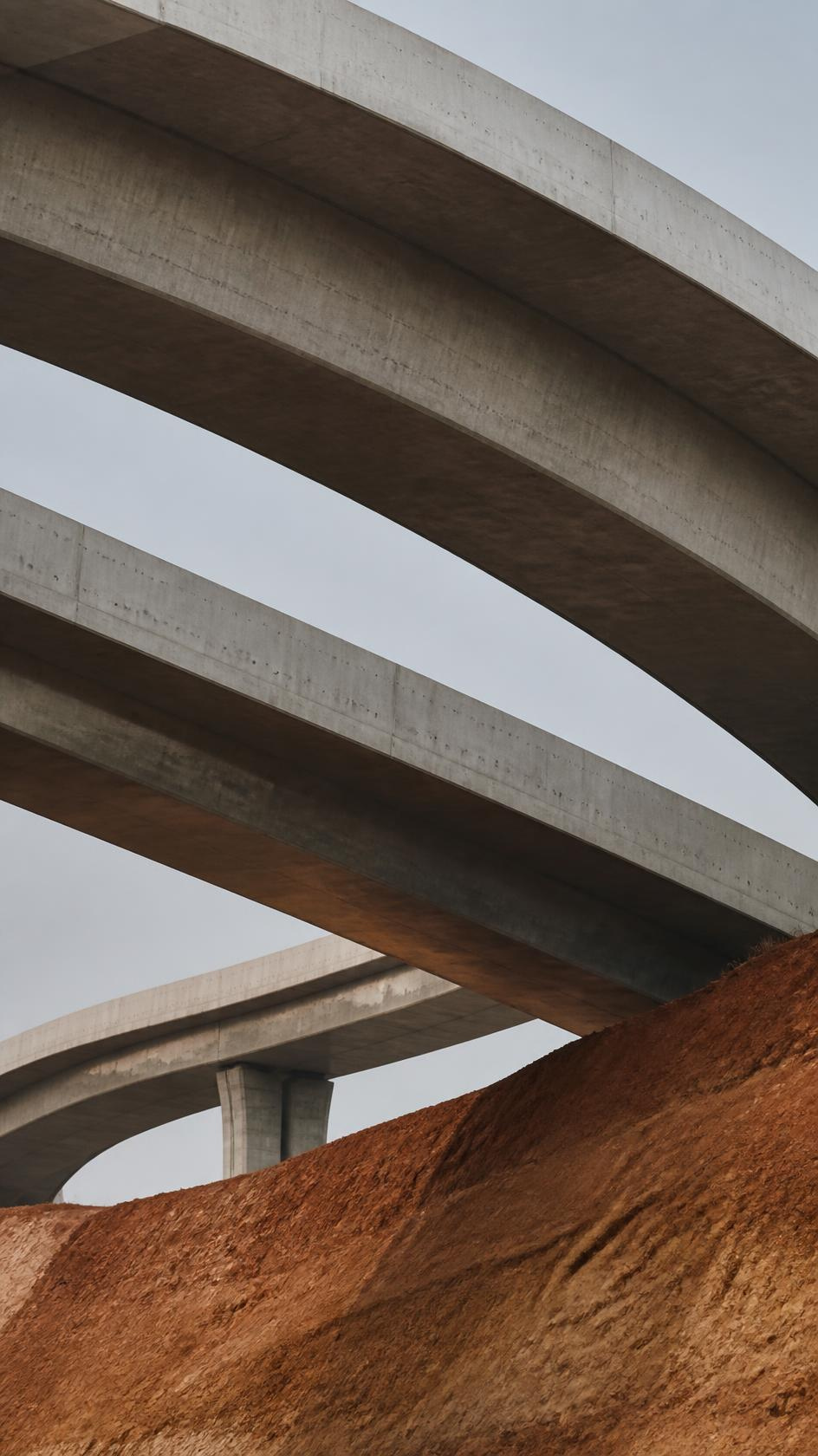
Curved elevated ramps of a highway interchange crossing over one another.
An interchange under construction. Illustrative.

TNF India arithmetic: 26,425 km awarded − 22,590 km constructed = 3,835 km

How long is India's national highway network in 2026?

Over 1,46,572 km, a 61% rise on about 91,287 km in 2014, with the construction rate up from around 11.6 km a day in 2013-14 to nearly 34 km a day.

The figure that matters most to anyone bidding sits beneath the network total. Of the 34,800 km of corridors targeted by the flagship highway development programme, at an estimated total outlay of ₹5.35 lakh crore, 26,425 km had been awarded and 22,590 km constructed as at March 2026. The difference, roughly 3,835 km awarded but not yet built, is the live construction book.

Why it matters

Awarded but not built is contracted work on a known schedule. It sizes the immediately addressable market rather than the announced one, and the two differ by several years.

Next step

Compare your pipeline against awarded packages rather than sanctioned corridors. With individual project costs at ₹1 lakh crore and ₹9,000 crore, no single contractor delivers them, and the package structure beneath is where the work is.

Source and reference

Press Information Bureau, Government of India. The 3,835 km figure is TNF India's subtraction; both inputs are stated above.

The Pattern

Is India's infrastructure expanding across all modes at the same time?

Yes, and the figures line up across every asset class. The national highway network has grown 61% since 2014. Metro network length has risen from 248 km to over 1,155 km. Major port capacity has almost doubled, from 873 to 1,726 million tonnes a year. Operational airports have risen from 74 to 165. Public capital expenditure has gone from about ₹2 lakh crore in 2014-15 to ₹12.2 lakh crore for 2026-27, including nearly ₹3.7 lakh crore on metro expansion alone.

Simultaneous expansion across four modes is a different proposition from a single-sector boom, because the constraint moves from any one supply chain to the coordination between them. A port that doubles capacity needs its rail and road links to match, on the same timetable.

Why it matters

Your customer is increasingly a coordinated programme rather than an individual authority. That changes who signs, how long approval takes, and which interfaces you are expected to manage.

Next step

Identify which national master plan layer your work sits on. Bids that reference the sequencing framework read differently from bids that treat the asset in isolation.

Source and reference

Press Information Bureau, Government of India.

Next Monday, five more.

The Signal lands every Monday morning with five reads for Construction and Infrastructure, each one traced to the record it came from.

One email a week. Change industry or unsubscribe from any issue.

We use your email to send The Signal. Privacy notice

All tender references in this edition were re-verified against the live listings on the morning of 25 August 2026. Figures on live listings change; confirm dates on the portal before acting. Images are illustrative and do not depict the projects or people described. Corrections and grievances

Where the community connects

In the room in February 2027

Read TNF India free as an Observer — five articles a month, two industry reports a year, and 25% off delegate passes across TNF events worldwide.

Join Free

Ready to Elevate Your Strategic Intelligence?

We help you make sense of what’s happening and work out what to do next.