TNF India Vertical Intelligence.

The Signal · Energy and Utilities · Week 35, 2026

How fast is India's nuclear and wind capacity actually moving?

Five reads on India's power system this week.

In this edition

  1. 01The Award
    What does a transformer order worth ₹193.92 crore reveal about India's spending on its power grid?
  2. 02The Acceleration
    How fast is India's nuclear and wind capacity actually moving?
  3. 03The Window
    What large wind and solar EPC packages in India are still open to tender?
  4. 04The Number
    What is India's total installed power capacity in 2026?
  5. 05The Pattern
    Is India decreasing its reliance on imported coal?

The Award

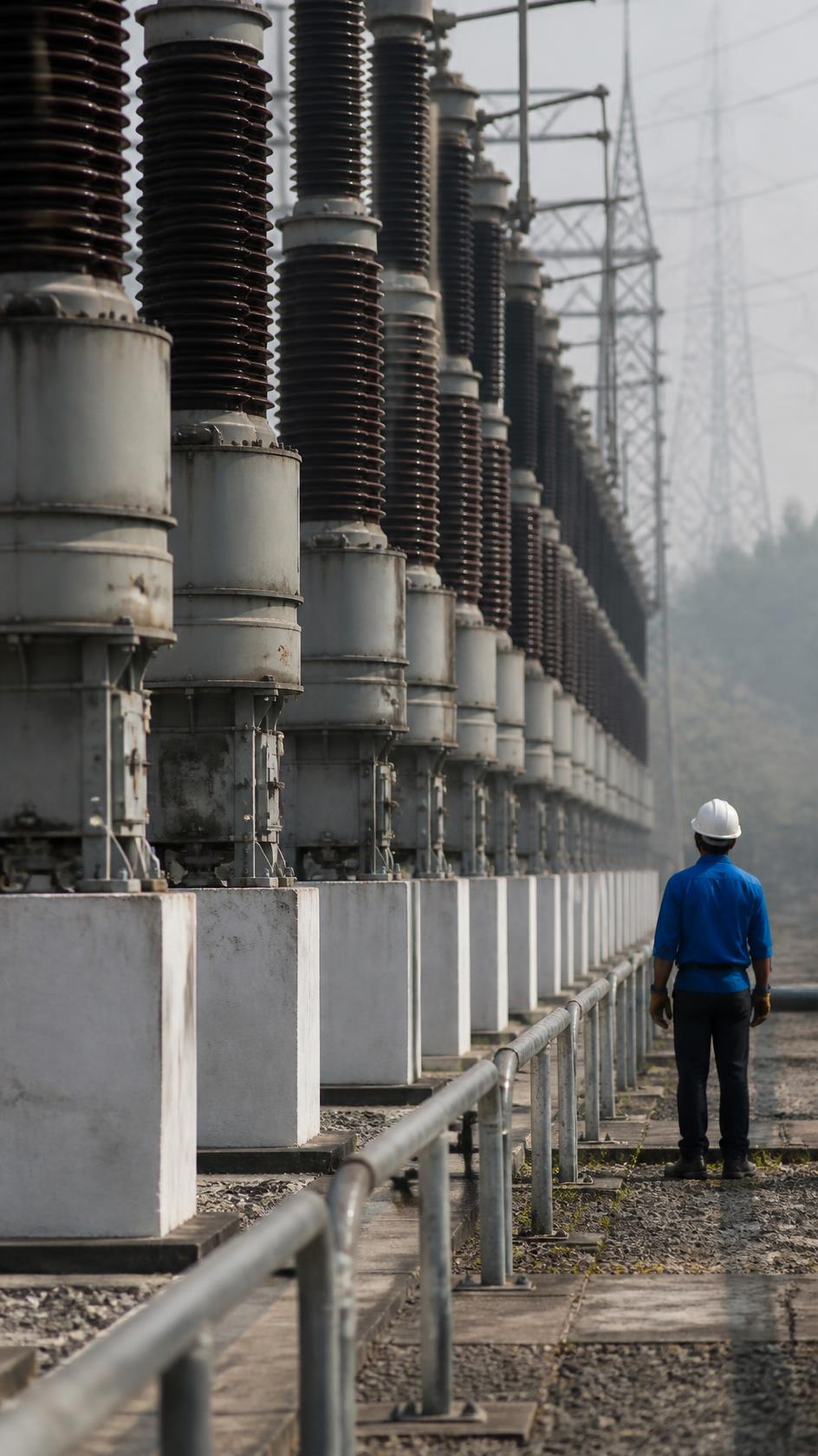
High-voltage transformer bushings in a row at a substation compound.
Auto transformers at a high-voltage substation. Illustrative.

What does a transformer order worth ₹193.92 crore reveal about India's spending on its power grid?

Atlanta Electricals has obtained a letter of intent amounting to ₹193.92 crore inclusive of GST for twelve 160 MVA, 220/132 kV auto transformers for Andhra Pradesh's state transmission utility, under tender specification PMM21-31/2026, Lot 2.

The auto transformers with a voltage rating of 220/132 kV form the link between the high-voltage transmission network and the sub-transmission system, and it is this stage that actually supplies power from renewable sources to industrial and urban consumers. The recent orders indicate that substations will be expanded. Most importantly, domestic manufacturers are now winning this class of contract, which used to go to importers.

Why it matters

State transmission utilities have become buyers in their own right, not merely recipients of central schemes, and they are able to act with less bureaucratic delay.

Next step

Map the equipment tender calendars of the four or five most active state transmission corporations. They publish separately from the central utilities and most vendors do not keep an eye on them.

Source and reference

Atlanta Electricals Limited, exchange filing, 18 August 2026.
The Acceleration

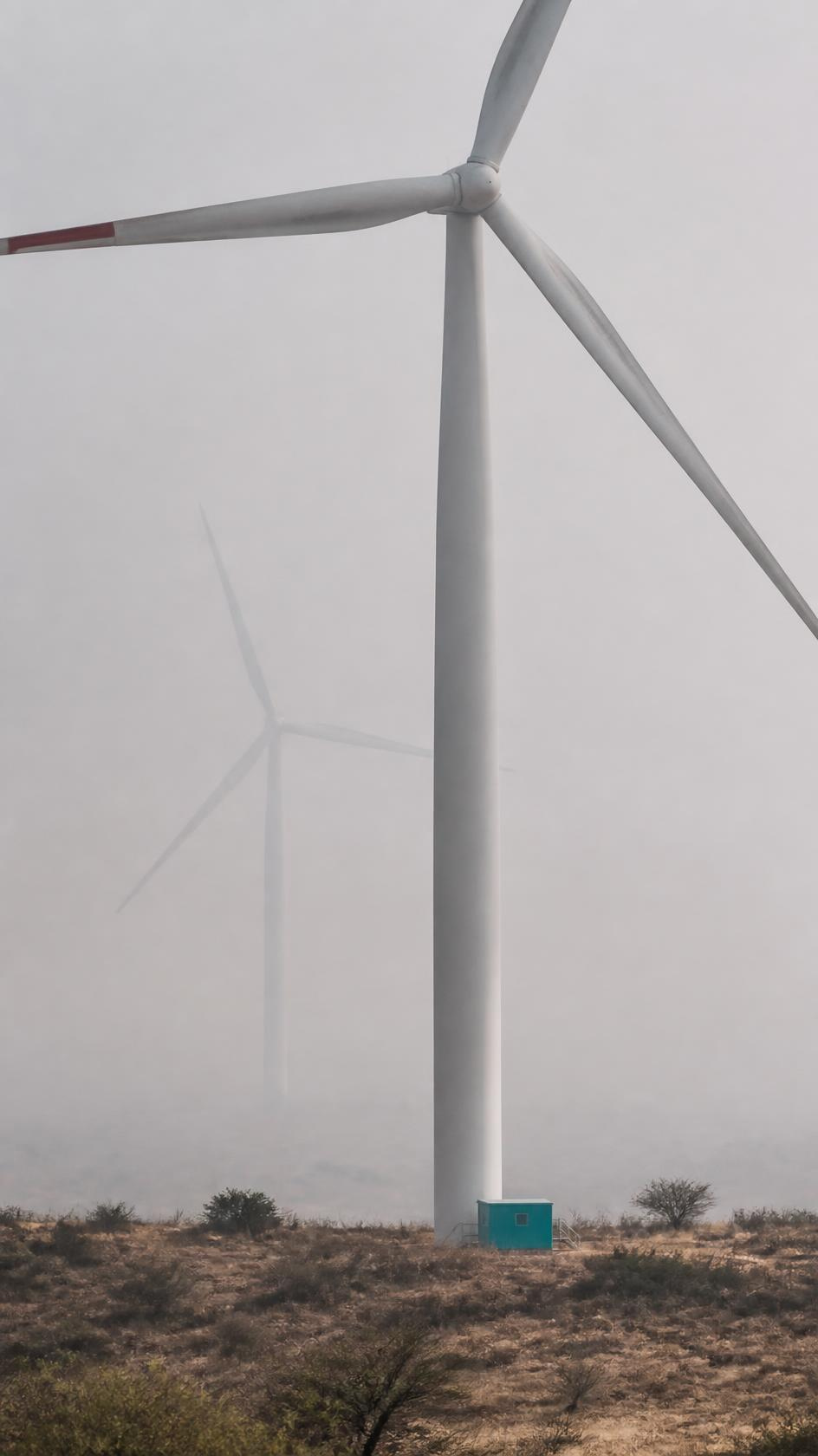
A wind turbine tower rising out of morning haze on dry plateau ground.
Wind turbines on the Deccan plateau. Illustrative.

How fast is India's nuclear and wind capacity actually moving?

The Indian Fast Breeder Reactor reached first criticality on 6 April 2026, and the most recent financial year saw the country achieve its highest ever annual wind addition, amounting to 6.05 GW.

These two sit at opposite ends of the build-time scale. Wind was added in months, with around 28 GW more in the pipeline. The breeder reactor is the result of a programme measured in decades, and reaching first criticality places India in a very small group of countries operating that technology. Nuclear capacity stood at 8.78 GW as at 31 July 2026, which remains small against the 300 GW of non-fossil capacity now installed, and it is the only one of the two that is firm, dispatchable and carbon-free.

Why it matters

Fast-scaling variable capacity and slowly building firm capacity are arriving at the same time. There is a clear opportunity for companies involved in reconciliation, such as those engaged in forecasting, scheduling and storage dispatch.

Next step

If you sell grid management or forecasting, base your presentation on portfolio balancing rather than renewable integration. The problem facing the buyer has changed.

Source and reference

Press Information Bureau, Government of India.

The Window

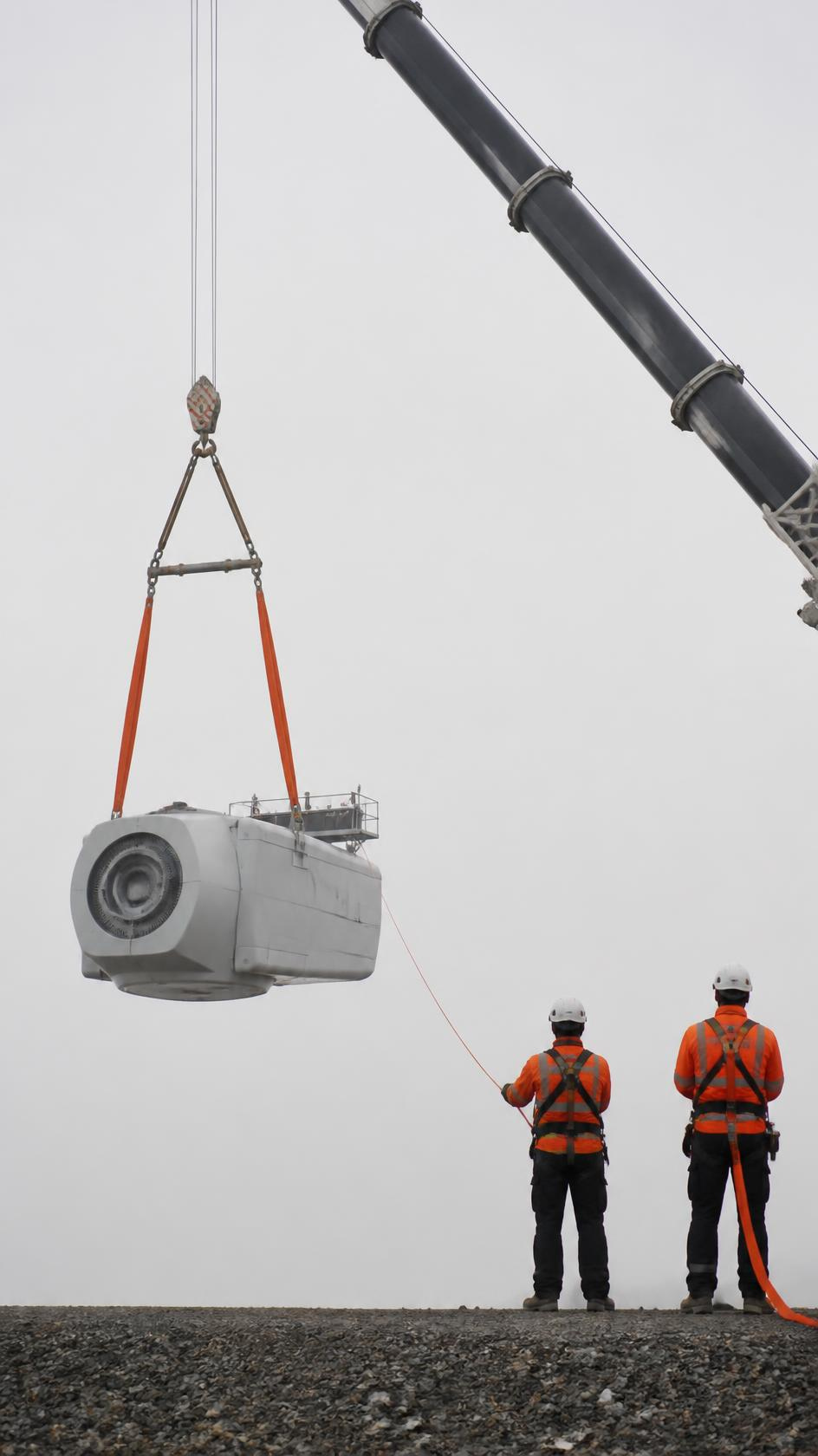
A turbine nacelle suspended on lifting slings against a hazy sky.
A turbine nacelle being lifted into position. Illustrative.

What large wind and solar EPC packages in India are still open to tender?

Four major renewable EPC contracts remain open. The nearest is the supply and installation of 271 wind turbines in Bellary, Karnataka (813 MW), closing 27 August 2026. The package covering 271 turbines in Davangere, Karnataka (813 MW) closes 8 September, and the one covering 200 turbines at Anantapur in Andhra Pradesh (600 MW) closes 15 September. Two further packages, the 600 MW solar EPC at Dhule in Maharashtra and the 215 MW wind package at the Anantapur-II substation, closed on 25 August.

The turbine packages consisting of 200 to 271 units are being awarded as single contracts, which advantages suppliers able to guarantee delivery at that volume and disadvantages any company assembling capacity from a dispersed position.

Why it matters

Single-scope packages of this size affect who is eligible to bid. If you cannot commit to the entire volume, your entry is as a named subcontractor to someone who can, and those consortium discussions happen before the deadline, not after.

Next step

Bellary closes in two days and is the only one still decidable this week. The September packages have runway. Tender listing: ngel.in, references NRE-CS-5929-003(WTG)-9R, NRE-CS-5928-003(WTG)-9 and NRE-CS-5924-003(WTG)-9.

Dates to mark

27 August 2026 (Bellary wind, 813 MW). 8 September (Davangere wind, 813 MW). 15 September (Anantapur wind, 600 MW).

Source and reference

NTPC Green Energy Limited tender listing, re-verified 25 August 2026. Confirm dates on the portal before acting.

The Number

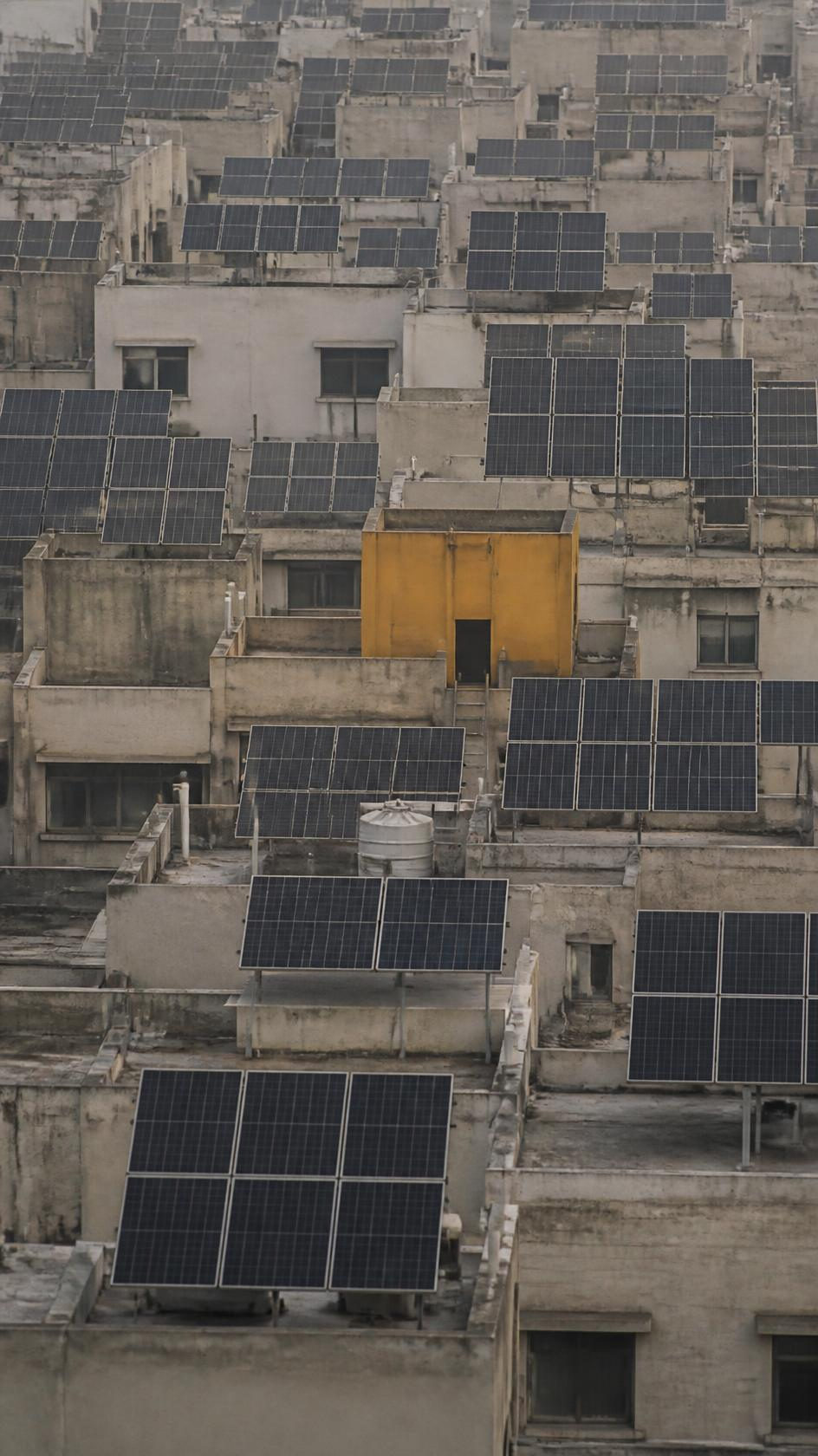
Rooftop solar panels stepping across close-packed low-rise rooftops.
Rooftop solar across a dense urban block. Illustrative.

What is India's total installed power capacity in 2026?

It was 249 GW in 2014 and is about 552 GW as at July 2026. Twelve years ago solar provided 2.8 GW of that amount, whereas it now accounts for 164.59 GW. Wind stands at 58.14 GW and nuclear at 8.78 GW, both as at 31 July 2026.

The figure that stands out is the doubling of national generation capacity within twelve years, but the real story is the change in composition. Under the household solar programme, rooftop deployment has reached 14.8 GW in commission across more than 51 lakh households, and a dispersed asset base of that kind did not exist in any meaningful way five years ago.

Why it matters

For anyone whose product is connected to the grid, the operational driver is the number of connection points rather than the gigawatts. A system of 51 lakh rooftop installations behaves completely differently from one with a few hundred large plants: different metering, different forecasting, different fault behaviour, different customer relationships.

Next step

If your product was scoped for utility-scale assets, price and package a version for the distributed base. It is a sale to a different buyer with different unit economics.

Source and reference

Press Information Bureau, Government of India.

The Pattern

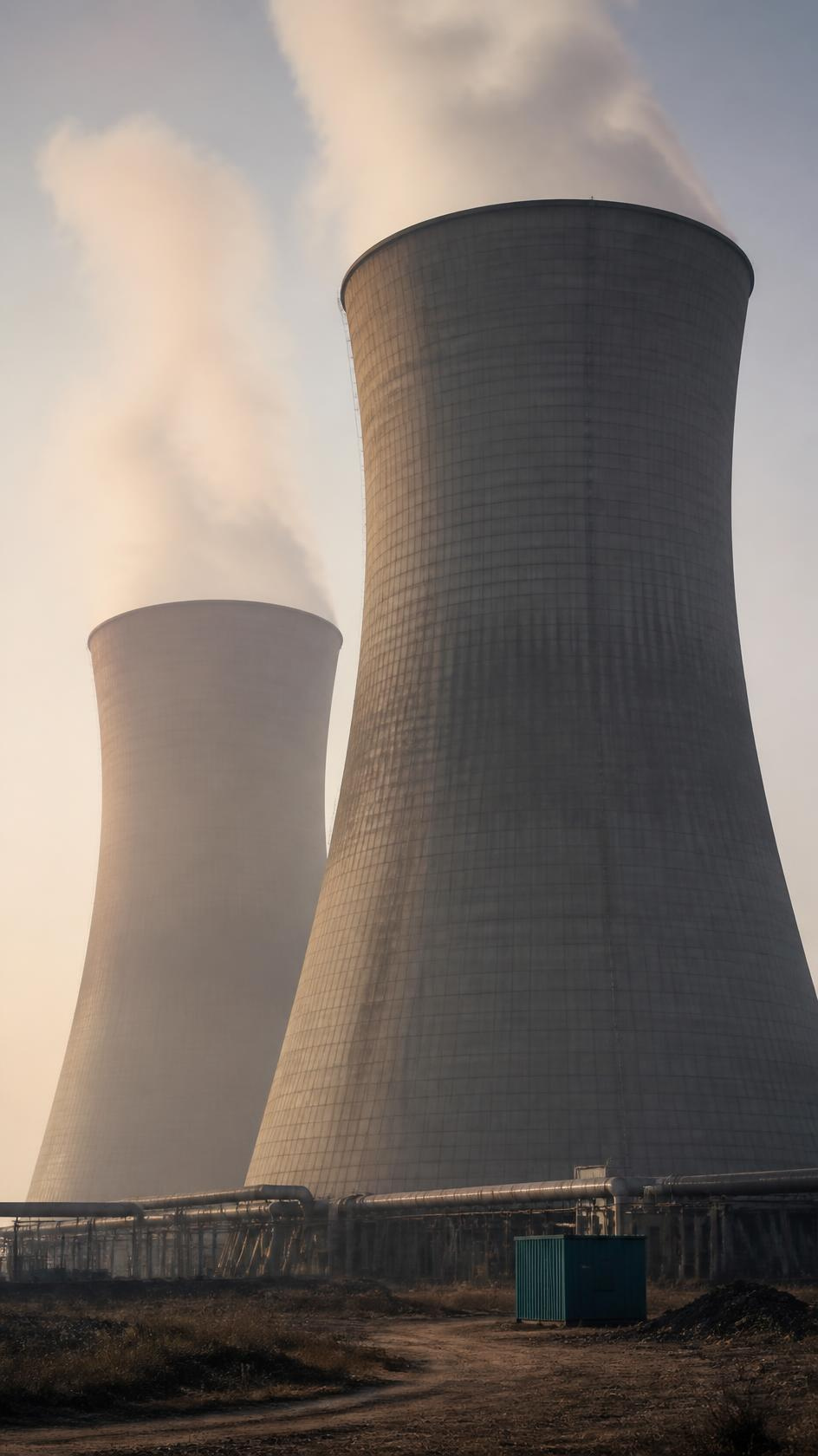
Cooling towers at a coal-fired thermal power plant in haze.
Cooling towers at a coal-fired thermal plant. Illustrative.

Is India decreasing its reliance on imported coal?

The amount of coal imported by thermal power plants dropped to 45.4 million tonnes in the most recent financial year from 62.5 million tonnes the previous year, a 27% decrease, while domestic production remained above one billion tonnes at 1,040.08 million tonnes.

Import substitution in bulk commodities is slow, unglamorous and more often announced than achieved. Here the figure is measurable: seventeen million tonnes of imported fuel replaced in twelve months, with domestic output essentially flat rather than rising, which indicates the decrease came from lower demand and better logistics rather than a production surge. A coal gasification programme worth ₹37,500 crore was approved in May 2026.

Why it matters

Domestic fuel has a different risk profile from imported fuel: different price volatility, different freight exposure, different currency exposure. For anyone whose costs are linked to imported coal, a 27% shift within a year alters the planning assumptions.

Next step

If your contracts index to imported coal benchmarks, review the indexation. The reference price is becoming less representative of what your counterparty actually pays.

Source and reference

Press Information Bureau, Government of India.

Next Monday, five more.

The Signal lands every Monday morning with five reads for Energy and Utilities, each one traced to the record it came from.

One email a week. Change industry or unsubscribe from any issue.

We use your email to send The Signal. Privacy notice

All tender references in this edition were re-verified against the live listings on the morning of 25 August 2026. Figures on live listings change; confirm dates on the portal before acting. Images are illustrative and do not depict the projects or people described. Corrections and grievances

Where the community connects

In the room in February 2027

Read TNF India free as an Observer — five articles a month, two industry reports a year, and 25% off delegate passes across TNF events worldwide.

Join Free

Ready to Elevate Your Strategic Intelligence?

We help you make sense of what’s happening and work out what to do next.