ALCOA+ Compliance in Indian Pharma: What the Revised Schedule M Means for Quality Assurance Heads
An inspector will ask you to trace one batch to a person, a timestamp and an original entry. Under the revised Schedule M, plants that cannot are putting their manufacturing licence at risk.
An inspector will ask you to trace one batch to a person, a timestamp and an original entry. Under the revised Schedule M, plants that cannot are putting their manufacturing licence at risk.
The revised Schedule M codifies computerised system validation, audit-trail governance, and ALCOA+ data integrity standards as mandatory conditions for holding a manufacturing licence.
The gaps inspectors find come from people with deadlines, not from faulty software.
The fix is systems that enforce the rules, not more procedures.
What does an inspector ask a quality assurance head to trace in a batch record?
Forget the facility tour. Forget the quality slogans on the wall. Pick any batch from last month and trace every record in it to a person, a timestamp and an original entry. That is the test.
Much of the answer falls on the quality assurance (QA) head. It can mean a missing signature, a result with no raw data behind it, or a correction that is off the mark.
This piece asks two questions. What does ALCOA require of a batch record? And where do plants like yours most often fall short? It is Part 2 of The Audit Trail. Part 1 covered 21 CFR Part 11 and audit trail governance.
What does ALCOA require of a batch record, and what does ALCOA+ add?
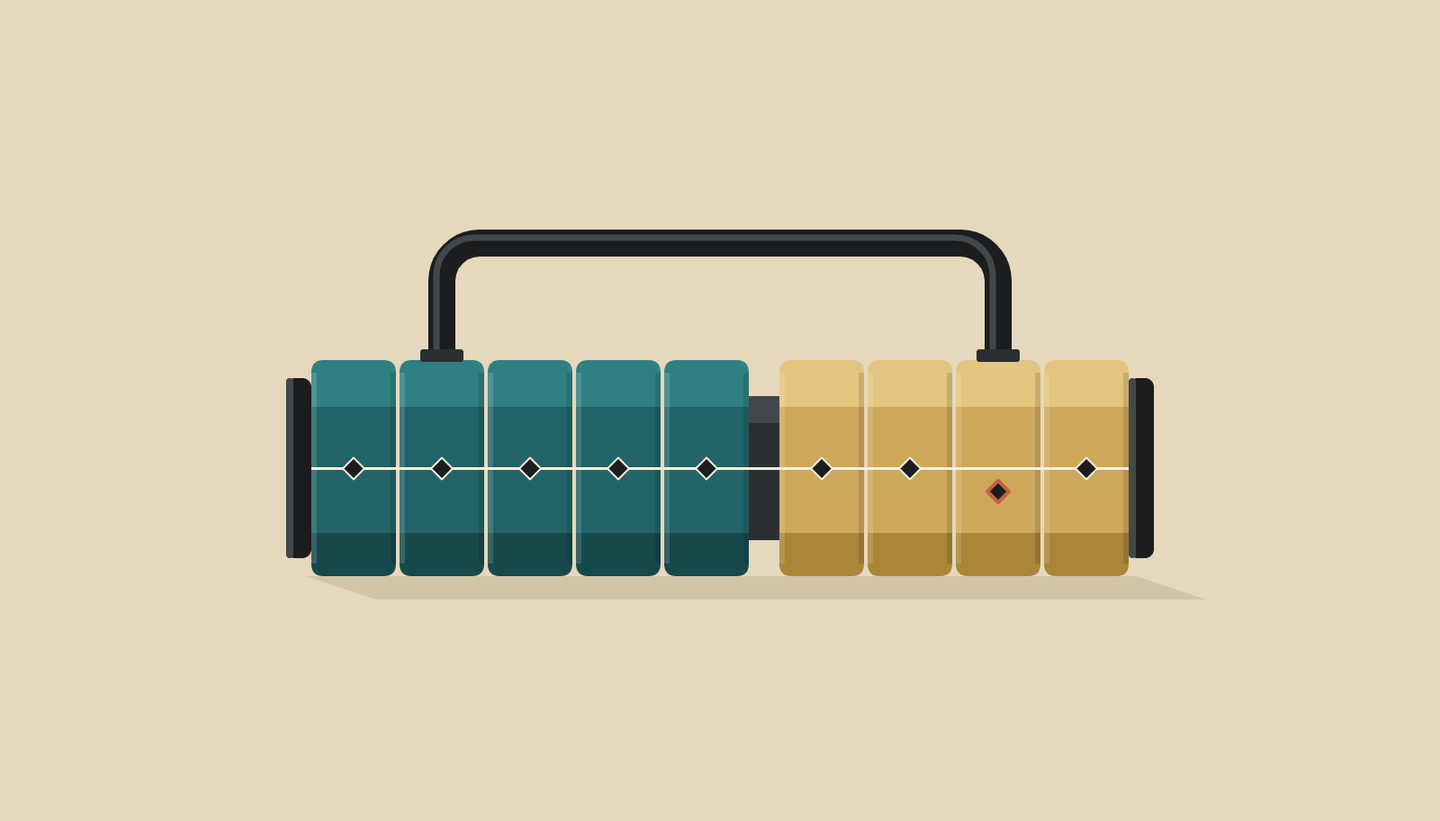
ALCOA+ framework principles. Miss just one, and the batch record fails.
ALCOA is how inspectors reconstruct what happened. A record must be Attributable to a person, Legible, Contemporaneous with the work, Original and Accurate. FDA's data integrity guidance uses these terms.
ALCOA+ adds four more, which the Medicines & Healthcare products Regulatory Agency (MHRA) lists as Complete, Consistent, Enduring and Available. That makes nine attributes. MHRA is clear that expectations stay the same whichever acronym you use.
The audit trail is what lets an inspector check all of it. Part 1 of The Audit Trail covers how the US FDA expects one to be governed.
On a batch record, that reads plainly. Who weighed the material, and when? Where is the original reading? Is anything missing? Can it still be read and retrieved for as long as it must be kept? MHRA expects it to show who, what, when and why, and says users should not be able to switch it off.
How does the revised Schedule M raise the stakes for Indian pharma plants?
The Ministry of Health and Family Welfare notified the revised Schedule M in December 2023. It requires computerised system validation, formal quality risk management, documented change control and adherence to ALCOA+. Compliance is a condition of the manufacturing licence, so validation is one of the requirements a plant must meet to keep it. For a QA head, that puts the validation file for each computerised system behind a batch record in scope, alongside the record itself.
The Central Drugs Standard Control Organisation (CDSCO) and state drug controllers enforce the rules. Since a November 2025 directive, state controllers also send monthly reports on what their inspections found and what action followed. The extension for smaller plants ended on 31 December 2025, so every plant now answers to the revised rules.
Where do Indian plants most often fall short against ALCOA+?
Despite these mandates, the shop floor often runs on older methods. Inspection teams keep finding uncompleted batch records, missing double-checks and no embedded habit of practice.
The typical breakdowns:
Shared login credentials
Missing digital audit trails
Unrecorded test results
Re-testing without scientific justification
Weights written on scrap paper
Backdated batch records
Each one breaks a regulatory attribute. A shared login breaks Attributable. Scrap-paper weights break Original and Contemporaneous. Backdating breaks Contemporaneous and Accurate. An unrecorded result breaks Complete. None of these require broken software, just a tight deadline and a shortcut.
The core finding is an absence of habit. Even with robust policies, validated systems, and complete training records, staff will bypass controls when deadlines press.
Why does ALCOA+ compliance need database-level enforcement instead of procedures?
There are some common gaps. The reason for a data change is not captured. Staff type placeholder text into the field, or find a way past the mandatory field entirely. The system records that something changed, but not why, and MHRA expects an audit trail to say why. Picture a failing result edited to a passing one. The trail shows the edit, the user and the time. If the stated reason reads "as per discussion", the inspector has a name and a timestamp but no justification.
Retraining won't fix this, only database-level enforcement will. SOPs rely on tired employees doing the right thing on a night shift; automated controls hold every single time.
What should a quality assurance head do before the next inspection?
Give every user a unique login with role-based access. No shared accounts, and no administrator rights for bench analysts. This closes the shared-login gap.
Make the reason for change mandatory, and reject placeholders. The field should refuse "NA". This closes the unexplained-change gap.
Lock audit trails against users and review them before batch release. A trail that can be switched off proves nothing. This closes the missing-trail gap.
Record at the point of work, with second-person verification of manual weighing. No scrap paper. This closes the late and transcribed-entry gaps.
Run a trace-a-batch drill. Pick a batch, trace every record to a person, a timestamp and an original entry, and check that the validation and change-control records for the systems involved are current.
Under the revised Schedule M, a batch record is no longer only evidence of what was made. It is part of the case for keeping the licence to make it. Every plant now answers to the same rules, and state controllers report what they find every month. The records are your best witness, so make sure they can speak for themselves.
Disclaimer: Content provided by TNF India is for informational purposes only. While we aim to provide accurate data and strategic insights, information is subject to rapid market and technological shifts. This content should not replace independent due diligence or professional consultation. TNF India bears no responsibility for any actions taken, or financial losses incurred, in reliance on this material.
Next in The Audit TrailEvery part, as it publishes
Varad DiwateHead of Content, Industry Verticals at TNF India
Varad Diwate shapes the editorial narratives behind India's infrastructure, energy, and technology sectors. He focuses on the sector-specific nuances and structural shifts that determine how markets actually move, and what they mean for the leaders operating inside them. Varad brings deep expertise in B2B content strategy and editorial leadership.See every article by Varad Diwate