Saturday, 28 November 2026

Without building information modelling (BIM)-fluent engineers, drone pilots and tech-literate project managers, India's infrastructure ambition will hit an execution ceiling long before it hits a funding one.
Without building information modelling (BIM)-fluent engineers, drone pilots and tech-literate project managers, India's infrastructure ambition will hit an execution ceiling long before it hits a funding one.
 Priya Dialani
As India cements its position as the world's second-largest driver of global construction growth, the industry faces an uncomfortable reality. Advanced tools are readily available, but the professionals required to run them are scarce. India’s mega-projects have evolved beyond engineering hurdles into complex coordination challenges that capital alone cannot solve.
According to the State of the Project Economy 2026 report by Foundamental, a global venture capital firm that focuses on sectors like architecture, engineering, and construction (AEC), heavy supply chains, and infrastructure, India will account for 14.1% of global construction growth by volume between 2020 and 2030, behind only China at 26.1% and ahead of the United States at 11.1%.









Decoding deals, developments, regulations, and government directives shaping cross-border business between India and BRICS partners.

Who India's financial system trusts, and on what evidence.

What an owner should receive at handover, and what actually arrives.

The operations market for highways, metros and freight corridors.

Whether Indian pharma and hospital data would survive an inspector.
The same report notes that global construction labour productivity has grown at just 0.4% CAGR since 2000. Workforces in China, Japan and the US are shrinking. India's is projected to grow at just 0.7%, enough to keep pace with attrition, not with the pipeline.
“The challenge isn't technology adoption; it's technology absorption.”
— Amit Goyal, Managing Director - South Asia, Project Management Institute (PMI)
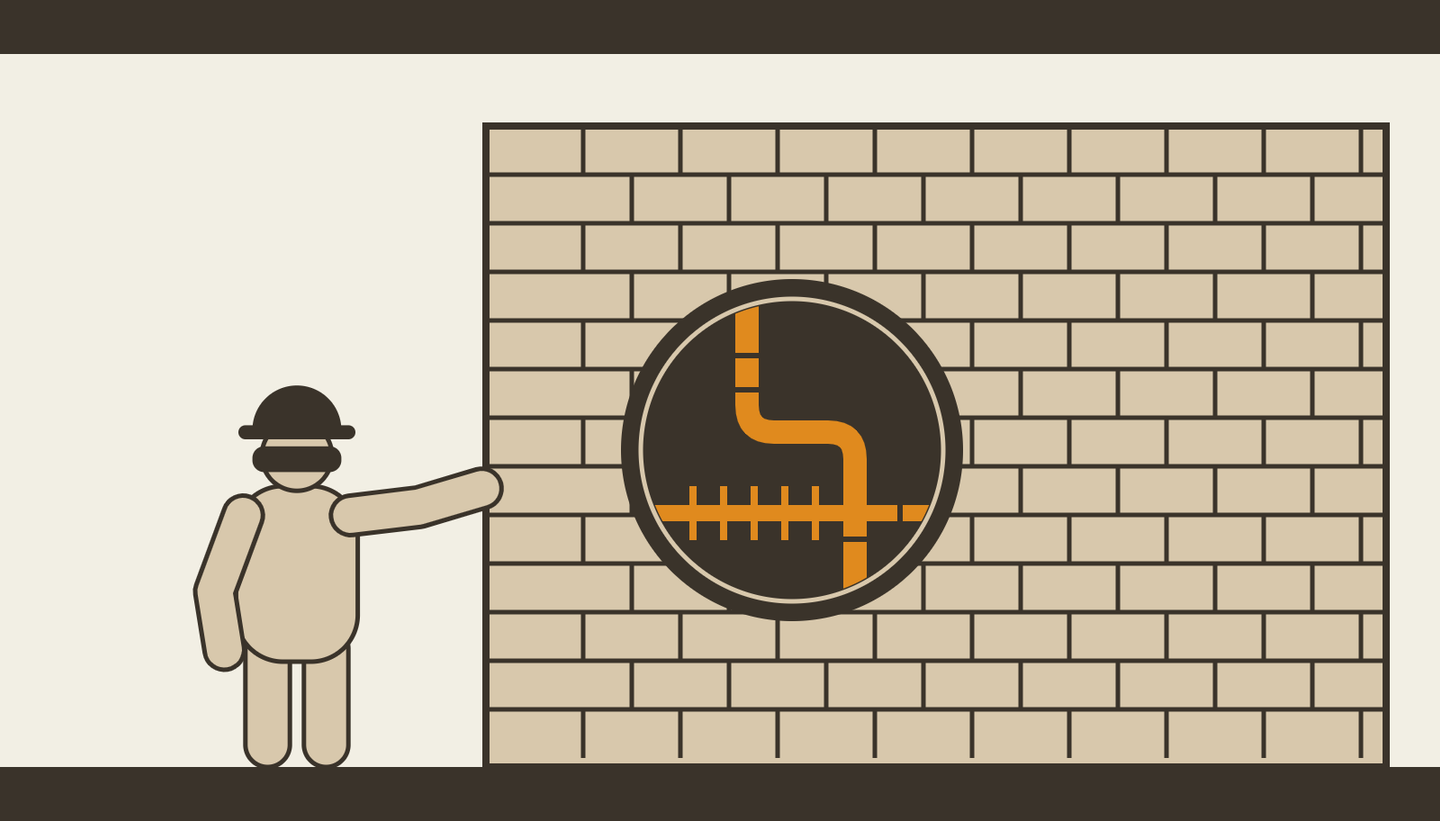
The use of advanced technologies, BIM, drones and digital twins, has produced tangible results on Indian infrastructure projects. But the workforce shortfall has an impact on the ground.
Despite NHAI's 2021 mandate requiring monthly drone monitoring on all highway projects, according to a 2025 study in Discover Robotics, only 30% of Indian construction firms use drones, against 60% in developed markets. The bottleneck is a shortage of skilled pilots: the same study finds that greater availability of human resources would raise adoption likelihood by 73%.
PMI's Construction Project Management Talent Gap Report 2026 projects that construction will need 2.5 million additional project professionals globally by 2035. India alone will require nearly 395,000 construction project professionals, and South Asia's talent gap will widen from 291,000 today to 558,000 by 2035.
"India's construction sector is not short of technology. BIM, drones, IoT sensors and AI-enabled planning tools are all being adopted. The constraint is the shortage of professionals who can use them to deliver better project outcomes," notes Goyal.
Other research identifies human resource constraints as the primary barrier to BIM implementation. The pool of engineers with hands-on BIM competence remains thin, largely because few Indian institutes have integrated BIM into their core curriculum.
“Most construction companies have operations, procurement and supply chain leaders, but very few have a chief technology officer or dedicated technology leadership driving digital transformation. If there is no technology leadership, it usually means technology isn't viewed as a strategic priority.”
— Mughilan Thiru Ramasamy, Co-Founder and CEO, Skylark Drones
For the National Infrastructure Pipeline (NIP) and smart city initiatives, BIM is a strategic priority. Without tech-driven solutions, projects will inevitably succumb to delays, exceeded budgets and scope creep.
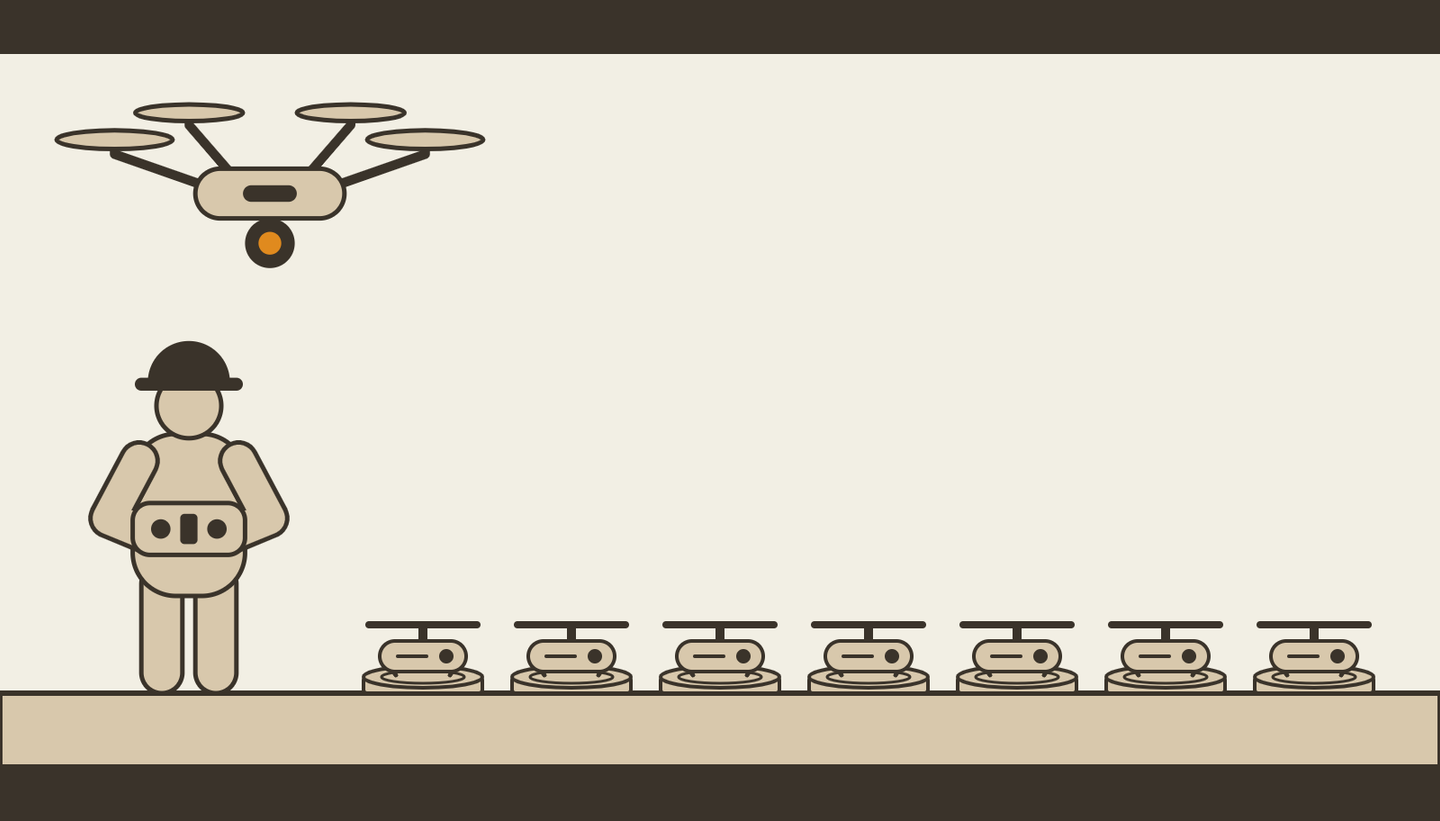
“Drones can efficiently capture site progress, but someone still needs to analyse that data, identify potential delays, escalate risks, and convert those insights into actionable decisions.”
— Amit Goyal
The people-first argument runs into a hard financial constraint on the ground. According to Ramasamy, integrating new technology requires hiring specialised talent to navigate the construction sector's complex digital and governance challenges. However, this investment heavily strains businesses that usually operate on narrow 10% to 20% profit margins.
He explains that because most construction firms lack the financial strength to fund internal IT teams, they default to buying off-the-shelf software. These external solutions frequently fail to address unique organisational demands. Consequently, this dependence on outside vendors, coupled with a lack of in-house innovation, traps the industry in a rigid cycle that is highly difficult to break.
“Success today isn't measured only by scope, schedule and cost. The real question is: Did the project deliver value?”
— Amit Goyal
Despite the impressive results of BIM, the talent gap is a compounding adoption problem. While India produces many engineers, they lack training in BIM workflows and 4D scheduling. This forces reliance on fragmented on-the-job training or short-term certifications. On the other hand, firms often view training as a cost rather than an investment. This creates a significant barrier to BIM adoption. However, the return on investment (ROI) of skilling far outweighs the price of vacancy.
Ignoring training initiatives compromises project delivery. The longer a position is vacant for construction firms, the greater the strain on project schedules and teams. As many education programmes have not integrated BIM education comprehensively into their curricula, the shortage of skilled professionals will persist and widen the talent gap. This can delay project implementation and increase costs as companies compete for a limited pool of qualified experts.
Goyal notes that large infrastructure initiatives across India are growing rapidly in size, speed, and complexity as the country simultaneously constructs metros, airports, highways, data centres, renewable energy projects, and smart cities. Because of this massive scale, these developments have transitioned from traditional engineering hurdles into complex coordination challenges.
“Technology creates value in ways that aren't immediately visible, which is why many organisations underestimate its importance, but it is the backbone of efficient project execution.”
— Mughilan Thiru Ramasamy
Successfully executing them now requires highly skilled professionals capable of concurrently managing a broad spectrum of moving parts, including risk, contracts, stakeholders, timelines, budgets, safety protocols, environmental sustainability, and digital transformation.
Take the Delhi-Dehradun Expressway. A single unresolved land dispute forced an alignment change, driving both cost and time overruns. Structured risk planning at inception would have prevented most of it.
This is where the industry's real deficiency lies. Many professionals understand construction, while others understand technology. However, the industry needs professionals who can bridge both worlds.
The economic case is quantified. A peer-reviewed cost-benefit study published in Construction Management and Economics validated that BIM-based clash detection can deliver savings equal to 20% of contract value on a multi-million-dollar infrastructure project. A DBIA case study on a US$230 million design-build project documented US$2.55 million in rework and schedule savings against a US$200,000 investment in BIM coordination, a 10x ROI. For India, applied at scale across the NIP pipeline, this translates to billions in potential savings.
Applied to a ₹100 crore Indian project, that 20% clash-detection saving would offset the cost of a ₹10 lakh BIM specialist roughly 200 times over. The economic logic is unambiguous.
"BIM and other software tools carry a 'truth transparency gap' because they rely on manual inputs. Construction is interdependent, material flow, labour and progress are linked, so software in silos misses site reality. Automated solutions using drones and robotics are needed to validate ground truth without manual intervention." says Ramasamy.
Further, he notes there is a stark difference between the software industry, where younger professionals can drive rapid innovation, and construction, where extensive experience is critical for success.
“It is rare to see a 22-year-old build a bridge, as the domain requires years of on-site learning, which hinders the ability to apply the same rapid technology development cycles used in pure software industries.”
— Mughilan Thiru Ramasamy
Studies highlight that skill shortages drive cost overruns and delays. Conversely, skilled talent ensures lower project costs and superior productivity. The obstacle is not resources but change management, and the failure to align skills to industry benchmarks.
Goyal believes that India can bridge this gap only if it stops treating digital skills and upskilling as optional. Technologies such as BIM, drones, AI-powered dashboards and digital collaboration platforms should not remain specialised capabilities confined to a few experts. They must become mainstream project management skills.
Goyal adds: "The solution isn't hiring more professionals, it is upgrading the profession. India needs engineers who understand projects, project managers who understand technology, and leaders who can turn digital insights into decisions."
Policymakers: Develop more public-private partnerships with localised innovation systems and involve industry experts to align curriculum with evolving industry needs. Deploy regular feedback mechanisms to ensure timely revisions and updated pedagogy.
Construction firms: Invest in in-house training and upskilling programmes. These initiatives should focus on building not just technical skills but also business, strategy, and execution. Prioritise digital training and simulation exercises to build on-field skills.
Educational institutions: Include BIM and related tools as a core stream in curriculum development. Certifications should tailor courses based on the job function and level of experience. Include industry stakeholders to design the curriculum and develop courses that are relevant.
Disclaimer: Content provided by TNF India is for informational purposes only. While we aim to provide accurate data and strategic insights, information is subject to rapid market and technological shifts. This content should not replace independent due diligence or professional consultation. TNF India bears no responsibility for any actions taken, or financial losses incurred, in reliance on this material.