Before You Sign: What Is Actually Contractable in India’s Data Centre Boom?
Headline megawatt (MW) figures often blur the line between signed agreements and live white space. For enterprise buyers, separating operational capacity from paper promises is the only way to avoid delivery risks.
Headline megawatt (MW) figures often blur the line between signed agreements and live white space. For enterprise buyers, separating operational capacity from paper promises is the only way to avoid delivery risks.
India’s data centre headline market totals are expanded by uncommitted planned projects and non-binding MoUs.
Discrepancies across market counts stem from measurement gaps, mixing gross facility power with net IT load, and counting empty building shells as live capacity.
National grid planning accounts for future AI power demand, but local substation delays and last-mile connections are where projects stall.
A large data centre campus in India often begins at a signing table. A state government and a developer sign a memorandum of understanding (MoU), and a figure in gigawatt (GW) makes the headlines. It becomes operational capacity only when the data hall is commissioned, with power and cooling in place. That hall contains the white space, the secure floor where server racks are installed and run.
This piece separates what is operational, what is under construction and what has only been announced, and examines why forecasts differ. For enterprise buyers, the distinction determines what capacity can actually be secured, and when.
How much data centre capacity is operational in India?
According to market estimates, India had about 1.8 GW of operational data centre capacity at the end of June 2026. Government data puts the figure lower, at about 1,575 MW in August 2026, up from 375 MW in 2020.
The estimates also differ on what they measure. Some count information technology (IT) load, others total facility power, and some include finished shells that are not yet commissioned. For a buyer, only one combination counts—the commissioned colocation IT load. Demand is not the constraint. Absorption can include space leased before it is finished. Even so, ready space does not stay on the market for long.
For enterprise buyers, the national total is only a starting point. The practical question is how much commissioned IT load is free in the required city, whether it can carry the workload’s power and cooling needs, and when it can be delivered. A growing national market does not guarantee capacity where and when a business needs it.
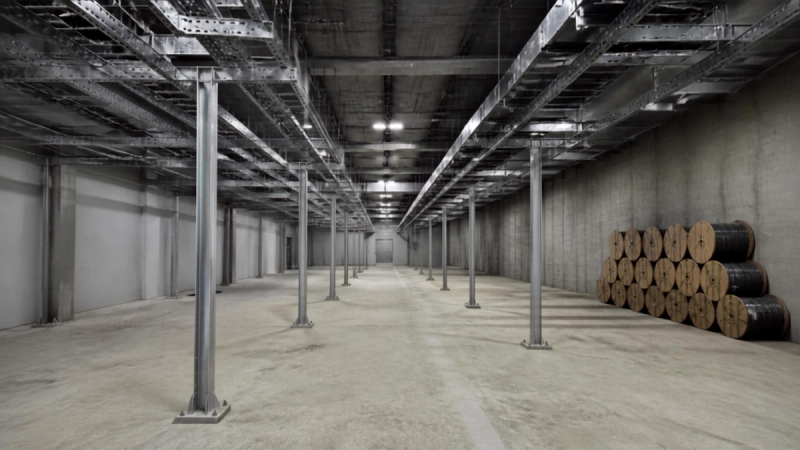
Enterprise readiness only begins when empty shells become live, powered racks.
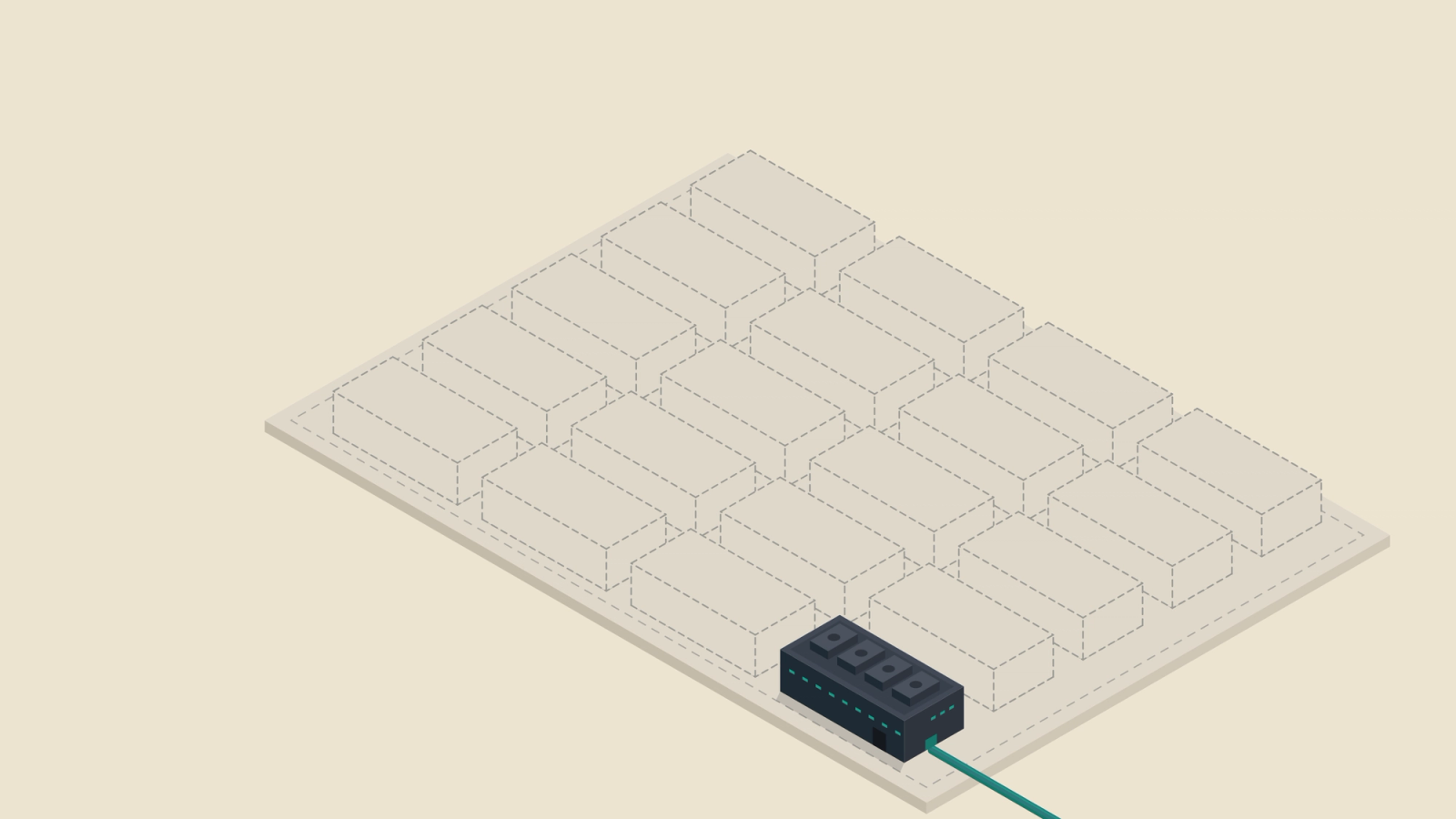
For every MW of operational white space, several more exist only as commitments on paper. Sites under construction are the nearest source of new supply. Sites in planning are still just promises.
At operator level, phased delivery decides what is actually available. In January 2026, L&T Vyoma, the data centre arm of Larsen & Toubro (L&T), broke ground on a 40 MW facility at Mahape in Navi Mumbai, part of a planned 100 MW campus. In Haryana, Anant Raj told investors in August 2026 that it had 28 MW of IT load running, unchanged from a year earlier.
Despite being tallied as market capacity, empty building shells, groundbreaking ceremonies, and non-binding MoUs offer zero utility to enterprise buyers. Only a fully commissioned hall, backed by sanctioned grid power and a firm delivery date, represents actionable space an organisation can truly rely on.
Why do India’s 2030 data centre capacity forecasts differ?
Much of the spread is inherited. A firm starting from a narrower view of today’s market finishes lower, and five years of compounding widens the gap. The rest comes down to execution, meaning how much of the pipeline gets built on time. The higher the forecast, the more announcements it assumes will turn into halls.
AI is the biggest bet. Halls built for AI draw far more power per rack, so a single campus can be counted very differently depending on how it is fitted out.
For a buyer, the forecast matters less than what it assumes. The capacity a CIO can contract in 2030 will be decided by what is commissioned, not by what was forecast.
The power bottleneck: where national ambition meets the local grid
Local transmission clearances are the true gating factor for India’s digital infrastructure.
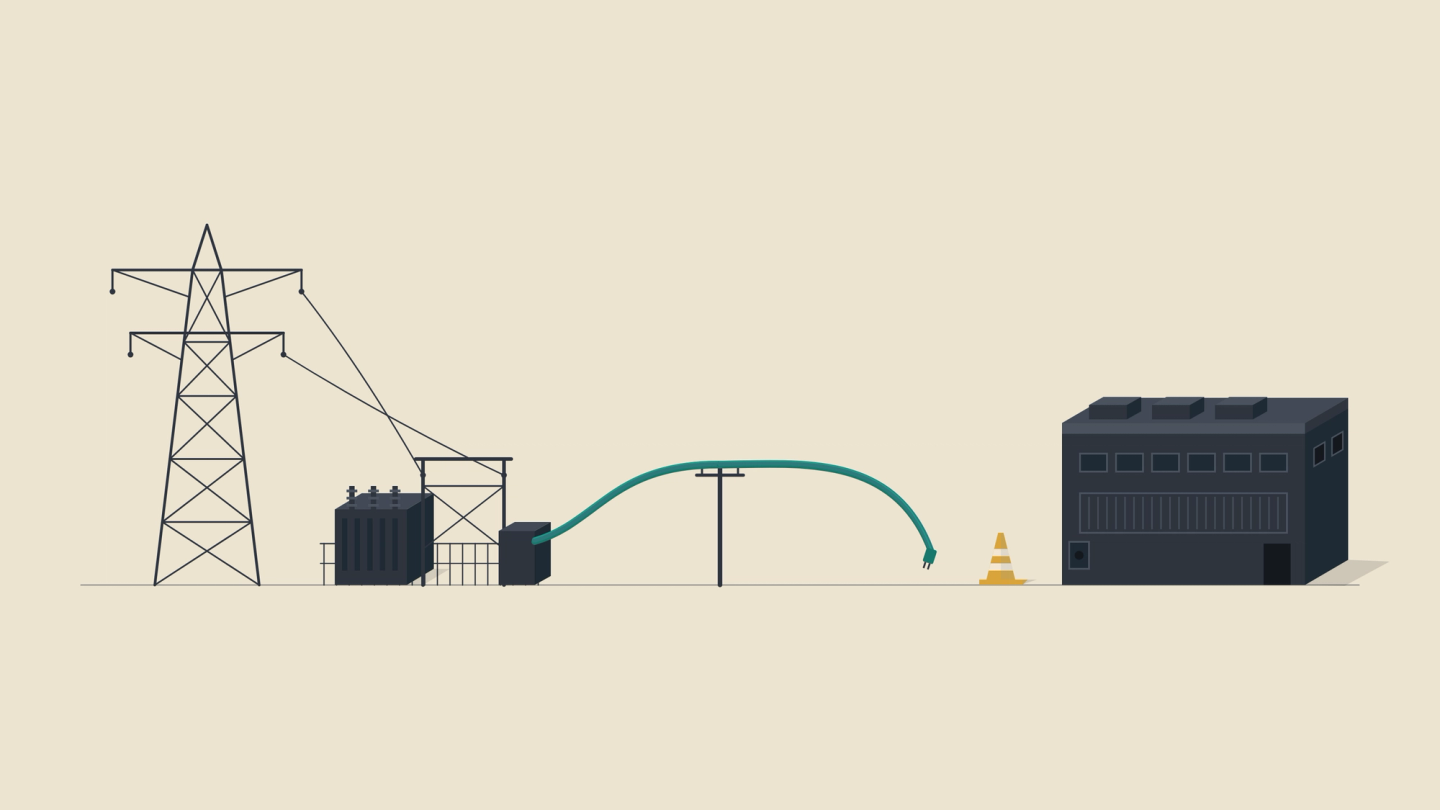
What gets commissioned depends on power. The government says the national grid is being planned for it. The wait is at the local connection.
On 27 July 2026, Minister of State for Power Shripad Naik told the Rajya Sabha that AI data centres could add 26.3GW of power demand by FY32, mostly to be met by renewable energy. The figure comes from the Central Electricity Authority. India’s demand for data centre space is undisputed. But market reality is not built on press releases or speculative pipeline figures. It exists solely in live operational halls with commissioned power and grid connections. Until an official public tracker logs capacity from signing to switch-on, every headline figure should be treated as hypothetical.
Disclaimer: Content provided by TNF India is for informational purposes only. While we aim to provide accurate data and strategic insights, information is subject to rapid market and technological shifts. This content should not replace independent due diligence or professional consultation. TNF India bears no responsibility for any actions taken, or financial losses incurred, in reliance on this material.
Niharika PahwaContent Manager, Construction & Infrastructure, Energy & Utilities at TNF India
Niharika Pahwa leads content coverage for the construction, infrastructure, energy, and utilities sectors at TNF India. She focuses on industry trends, investment activity, and the evolving policy and regulatory landscape.
An Economics (Honours) graduate with experience in market intelligence, Niharika combines an analytical approach with deep sector research to translate complex industry data into clear, strategic insights for business decision-makers.See every article by Niharika Pahwa