Saturday, 17 October 2026
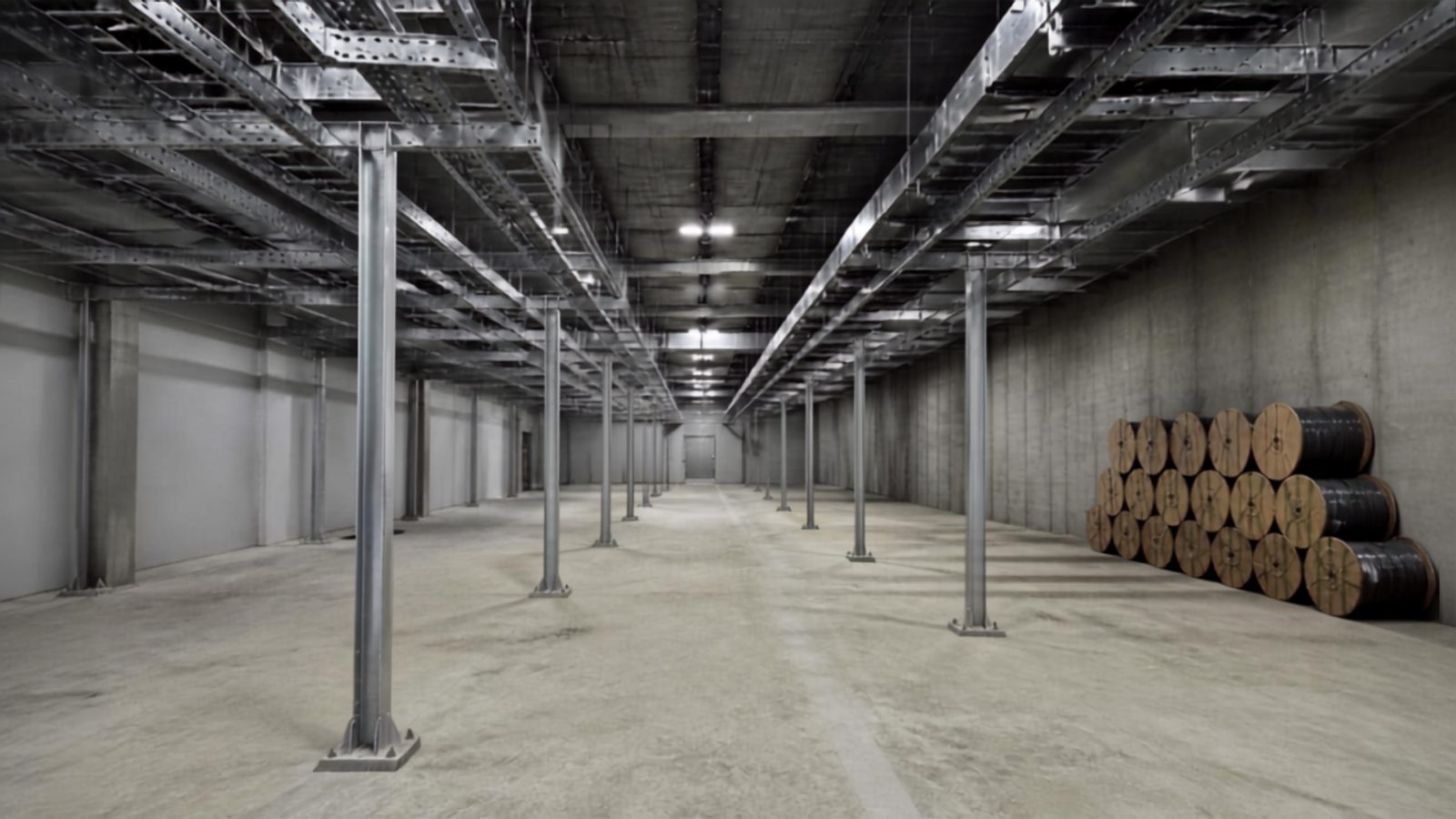
Uninterrupted uptime now depends on execution discipline as well as engineering design.
Uninterrupted uptime now depends on execution discipline as well as engineering design.
 Divya Dawar
Ceremonies like this happen often now. A state minister breaks ground, a capacity figure makes the news, and a completion date goes into the press release. What gets far less attention is what happens after the ribbon is cut. A large share of that announced capacity still isn't operational, and on several campuses, commissioning timelines now stretch to 2028 and beyond.






This is rarely about engineering. Most of these campuses are well designed. What gets them is commissioning that slips, contractors juggling too many sites at once, and testing schedules cut short to hit a deadline.
Cloud adoption, AI workloads and enterprise digitisation are driving sustained demand for data centre capacity, but adding megawatts is only part of the challenge. The harder task is ensuring these facilities stay online every minute of every day. That task is only getting harder as campuses scale and workloads intensify.
Operators are building larger campuses against compressed delivery schedules, rising energy costs and growing pressure on the electricity grid. At the same time, AI is pushing rack densities to levels that conventional cooling and power architectures are unable to support. Every engineering decision, including cooling systems, electrical redundancy, commissioning and operations, now carries greater operational consequences.
Reliable 24/7 uptime is no longer achieved by adding more backup equipment, but by integrating cooling, power, modular construction, mechanical, electrical and plumbing (MEP) execution and operational discipline into one single engineering strategy.
The industry's focus has therefore shifted from building faster to building smarter.
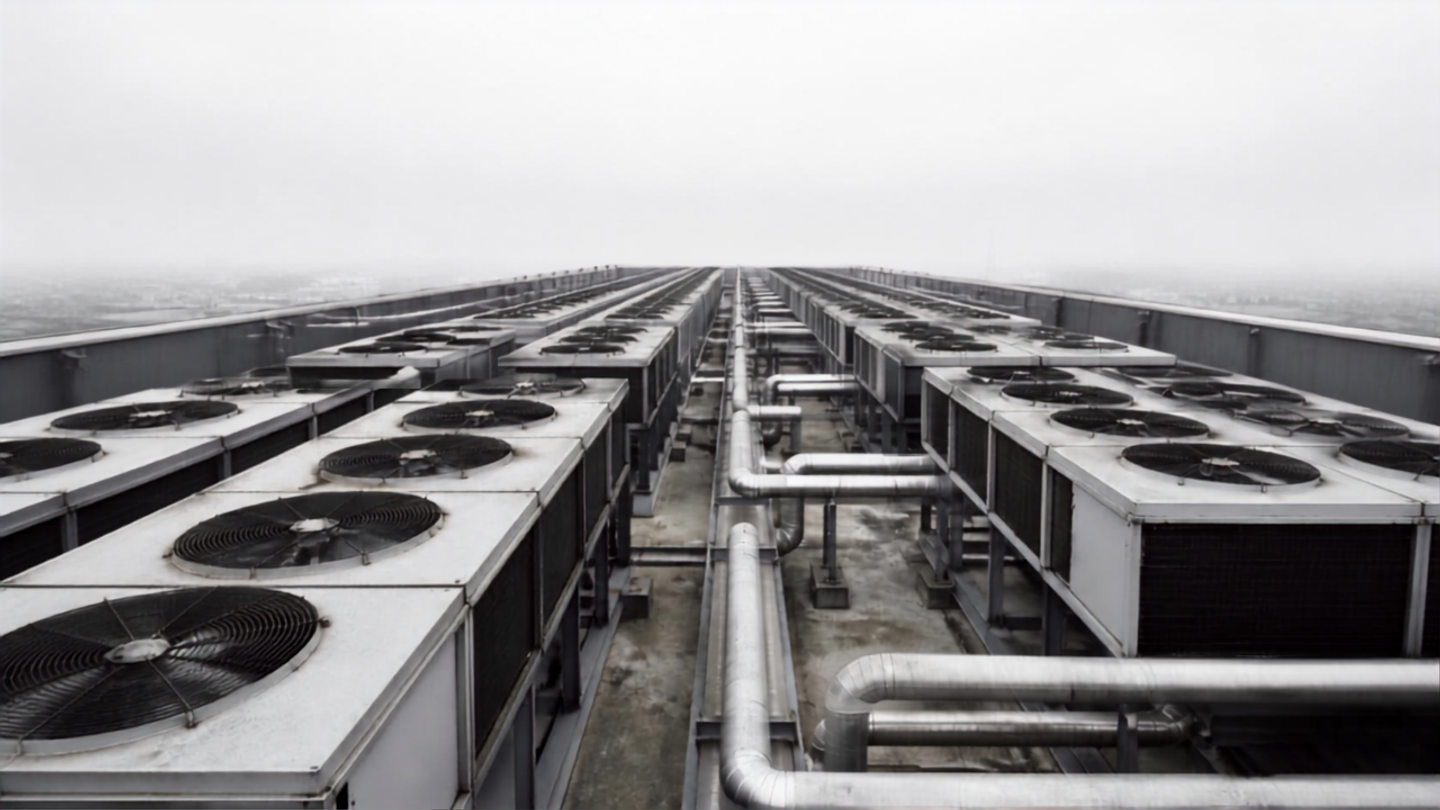
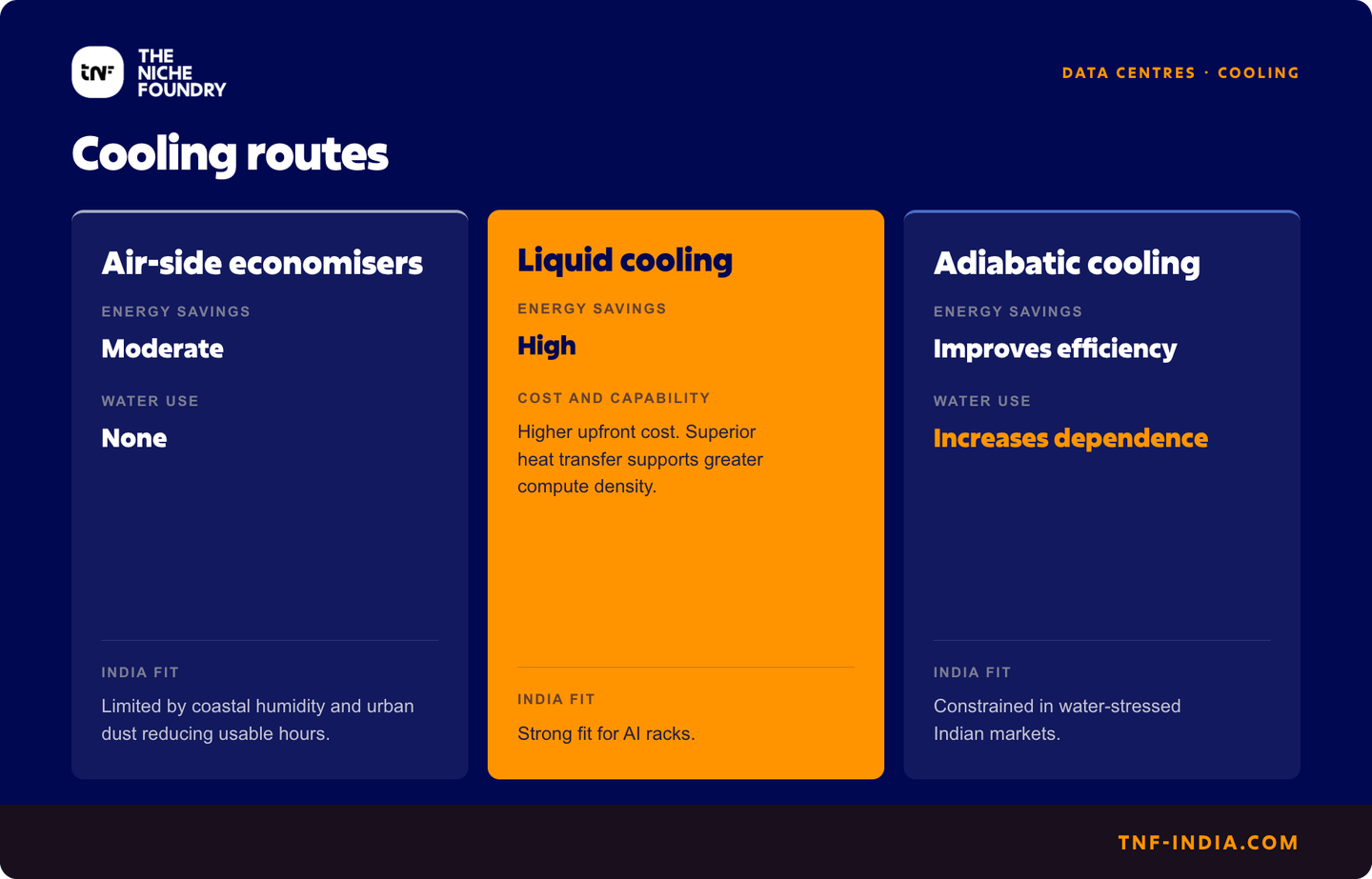
Power usage effectiveness (PUE) remains the benchmark for operational efficiency, but achieving low PUE in India requires engineering for local climate rather than replicating global designs. High ambient temperatures, seasonal humidity and increasing AI workloads demand cooling systems that balance efficiency with resilience.
Air-side economisers, which use outside air for free cooling, deliver meaningful energy savings in cooler climates elsewhere. Their role in India, however, is structurally limited. High humidity along the coasts and dust in major urban centres reduce the number of hours when outside air can be used without compromising equipment reliability. For most operators, economisation supplements rather than replacing mechanical cooling.
The rapid adoption of AI is also changing the equation. High-density GPU racks generate significantly more heat than conventional enterprise workloads, making liquid cooling increasingly difficult to avoid. Although the technology requires higher upfront investment, its superior heat transfer allows operators to support greater compute density whilst controlling long-term energy consumption.
Many decisions are taken based on upfront cost rather than lifecycle effects. Equipment that appears cheaper initially can actually cost more over five or ten years.Sandeep V. Dandekar, data centre expert and advisor.
The industry's sustainability priorities are evolving as well. Whilst operators have spent years driving down PUE, water consumption is emerging as an equally important metric. Adiabatic cooling systems can improve energy efficiency, but they also increase dependence on water, an increasingly scarce resource in several Indian markets.
As Dandekar notes, the conversation is shifting from PUE alone to water usage effectiveness (WUE). Operators now need to benchmark and disclose water intensity alongside power draw at the design-review stage, not just at commissioning. The most efficient facility is no longer simply the one that consumes the least electricity, but the one that balances energy, water and operational resilience over its lifetime.
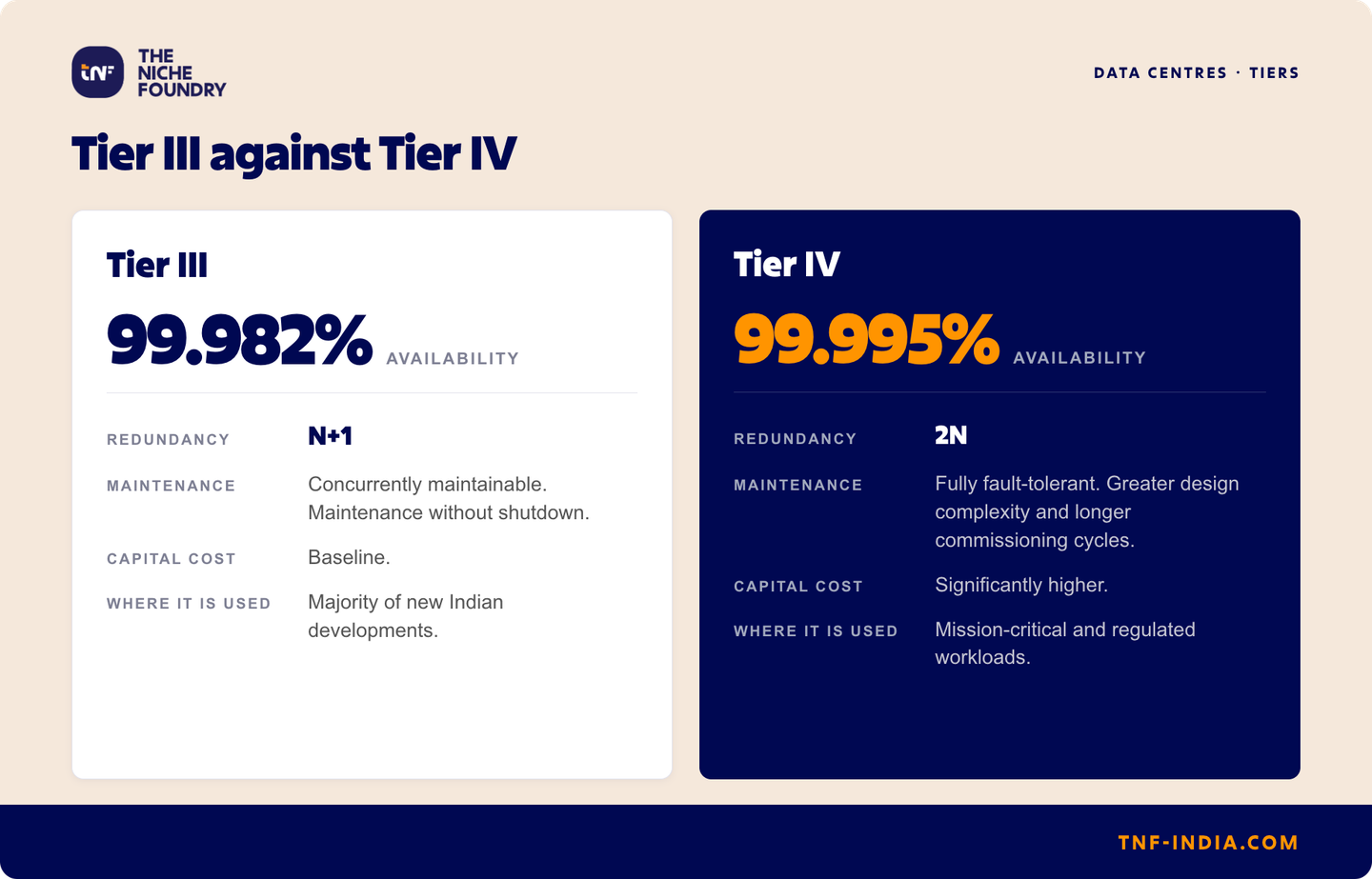
Tier III vs. Tier IV: Redundancy on paper, resilience in practice
Certification remains a key differentiator for hyperscale and enterprise customers, but it represents engineering discipline rather than engineering excellence in itself.
Tier III facilities, rated by Uptime Institute's tier classification system at a commonly cited 99.982% availability, allow maintenance without shutting down operations and continue to dominate new developments in India because they strike a practical balance between resilience and cost. Tier IV raises that benchmark to 99.995% through full fault tolerance and 2N redundancy, but it also introduces greater design complexity, longer commissioning cycles and significantly higher capital costs.
The bigger challenge lies in execution. Delays often begin with land approvals and utility clearances before extending into supply chain bottlenecks for transformers, generators and cooling equipment. Design revisions driven by changing customer requirements, particularly around AI infrastructure, add further pressure to already compressed delivery schedules.
According to Dandekar, engineering alone cannot guarantee uptime. "The design and execution of the project are extremely important. At the same time, testing, commissioning and handover practices are equally important," he adds.
A well-designed facility can still underperform if commissioning is rushed or operational procedures fail to match the original design intent. For operators, certification is therefore the outcome of disciplined execution rather than the objective.
As data centre campuses grow in size, conventional construction methods are becoming harder to sustain. Operators are under pressure to bring capacity online faster whilst maintaining consistent build quality across multiple phases. A gradual shift towards modular construction is gaining momentum because it offers greater execution certainty.
Factory-built electrical rooms, cooling skids and prefabricated plant modules reduce on-site work, improve quality control and compress delivery schedules. More importantly, they allow developers to build capacity in phases, aligning capital deployment with customer demand instead of completing an entire campus before the first rack is commissioned.
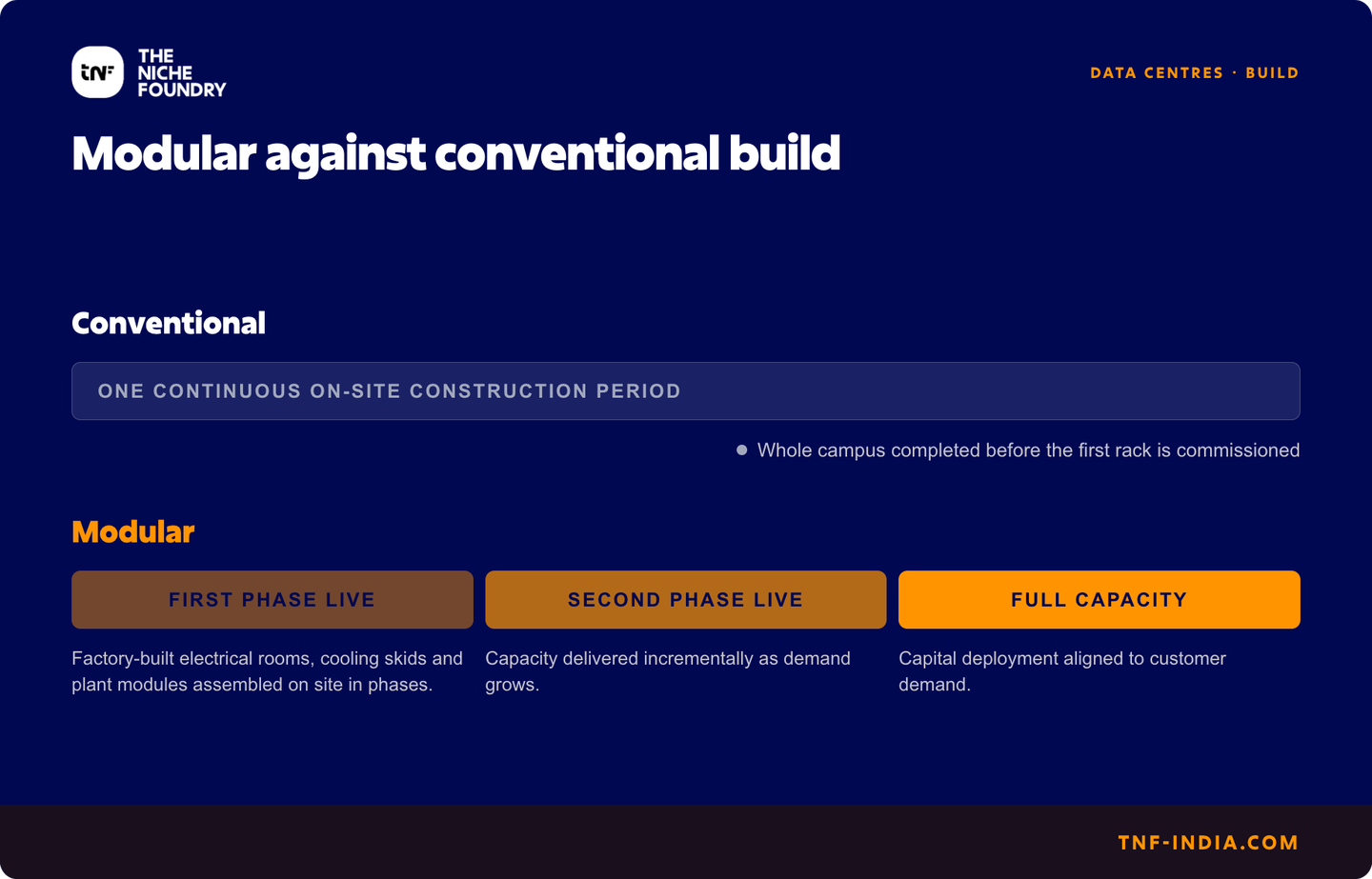
"The build cycle is becoming so large that we will be more and more modular. Rather than on-site build-out, there will be more factory-manufactured modules brought in for assembly." says Rachit Mohan, Managing Director - Data Centre Leasing, APAC, JLL. He adds that the transition is inevitable as campus sizes increase.
The commercial value lies in flexibility rather than cost. Individual buildings can be delivered sequentially, allowing operators to expand as demand grows.
There is, however, a misconception that modular construction limits long-term scalability. Mohan argues the opposite. "Scalability depends on the availability of land and power. If you don't give hyperscalers scalability, they won't do the deal."
For operators, modularity is therefore an execution strategy rather than a competitive differentiator. It accelerates deployment, but only where sufficient land and long-term power capacity already exist.
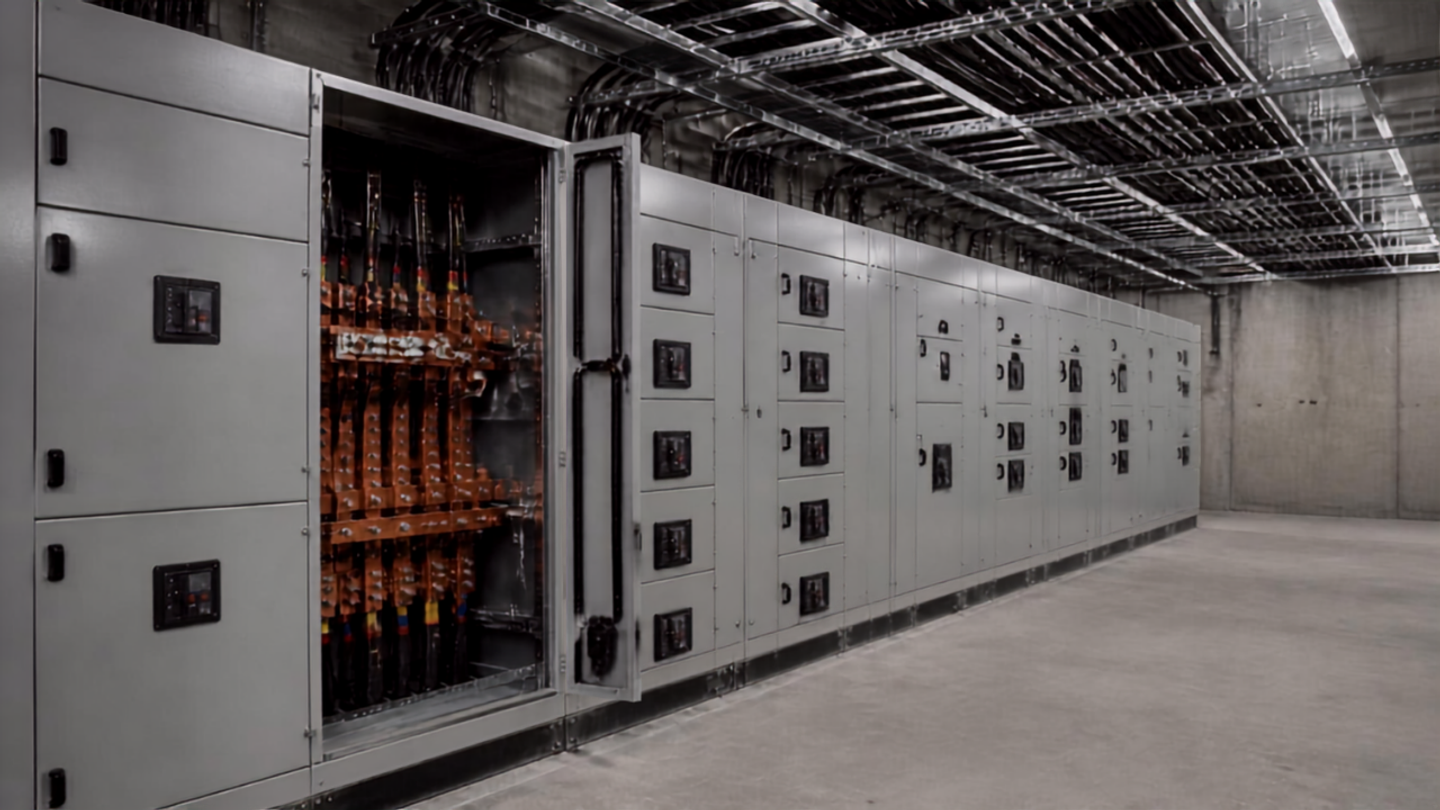
MEP systems account for the majority of a data centre's engineering complexity. They also determine whether a facility achieves its uptime targets after handover.
As hyperscale development accelerates, India's MEP ecosystem is being stretched. Demand for specialist contractors has grown far faster than the available talent pool, particularly outside established markets such as Mumbai and Chennai.
Dandekar believes the industry's biggest constraint is execution capability rather than market demand. India's data centre capacity has grown roughly fourfold since 2020, from about 375 MW to around 1,500 MW today. Leading consultancies project significant sector growth, backed by strong government policy appetite. Proactive state-level incentives, combined with key provisions in the recent Union Budget, specifically a 20-year tax holiday and a safe harbor clause, demonstrate a commitment to a favorable investment climate.
The industry is responding. Mechanical and electrical specialists are evolving into full-service general contractors, whilst owner-led firms are gaining ground because they can often make decisions more quickly than larger organisations. The transition, however, remains a work in progress.
Coordination is equally important. Poor building information modelling (BIM) integration frequently results in clashes between cable routes, pipework and structural elements, creating avoidable rework during construction. These delays become especially costly once commissioning schedules have been fixed. Commissioning itself is another critical checkpoint. Integrated systems testing (IST), load bank testing and vendor coordination cannot be compressed simply to recover lost time elsewhere in the programme.
Design and execution are only half the story. Testing, commissioning and handover are equally important.Sandeep V. Dandekar
A data centre reaches practical completion only when every electrical and mechanical system performs as an integrated asset under live operating conditions.
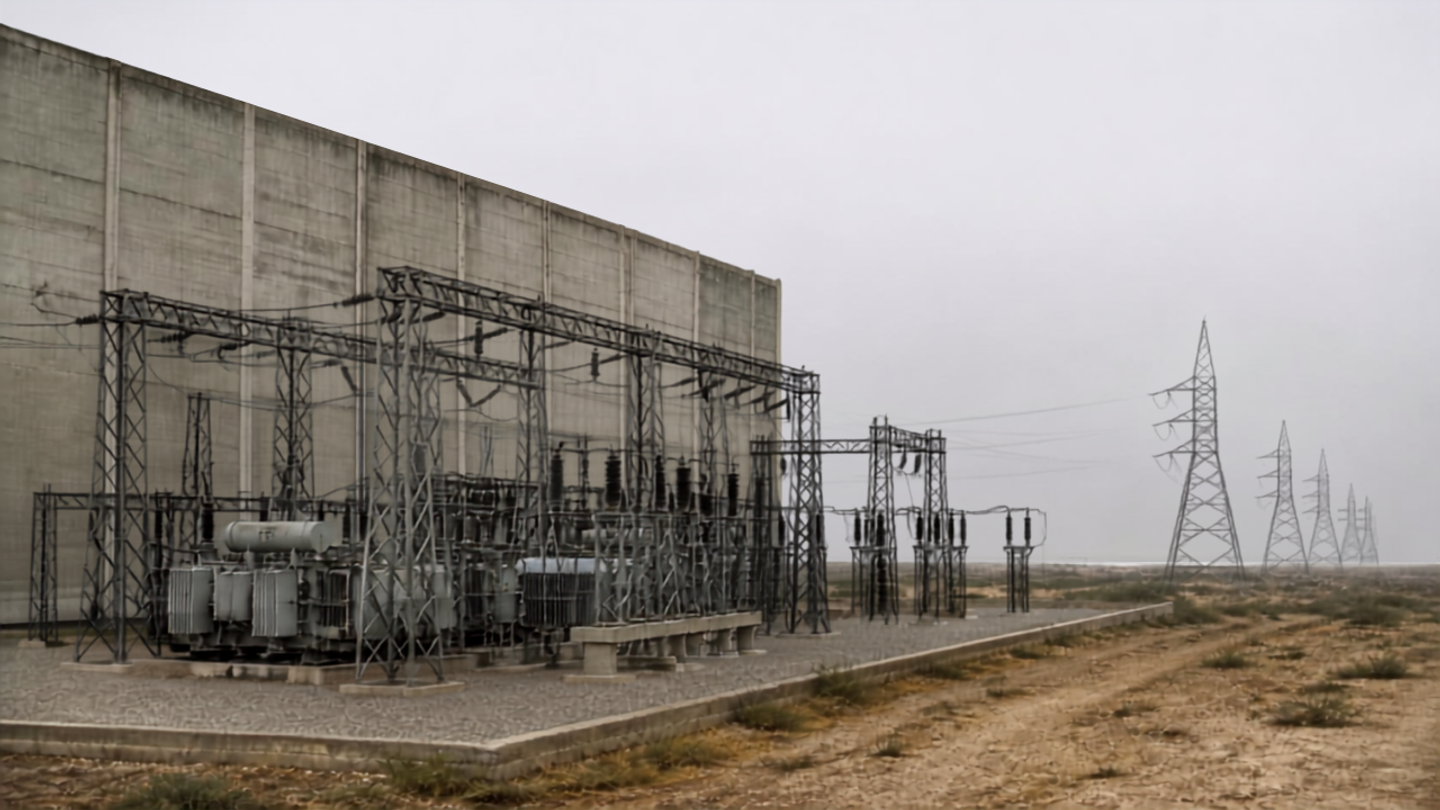
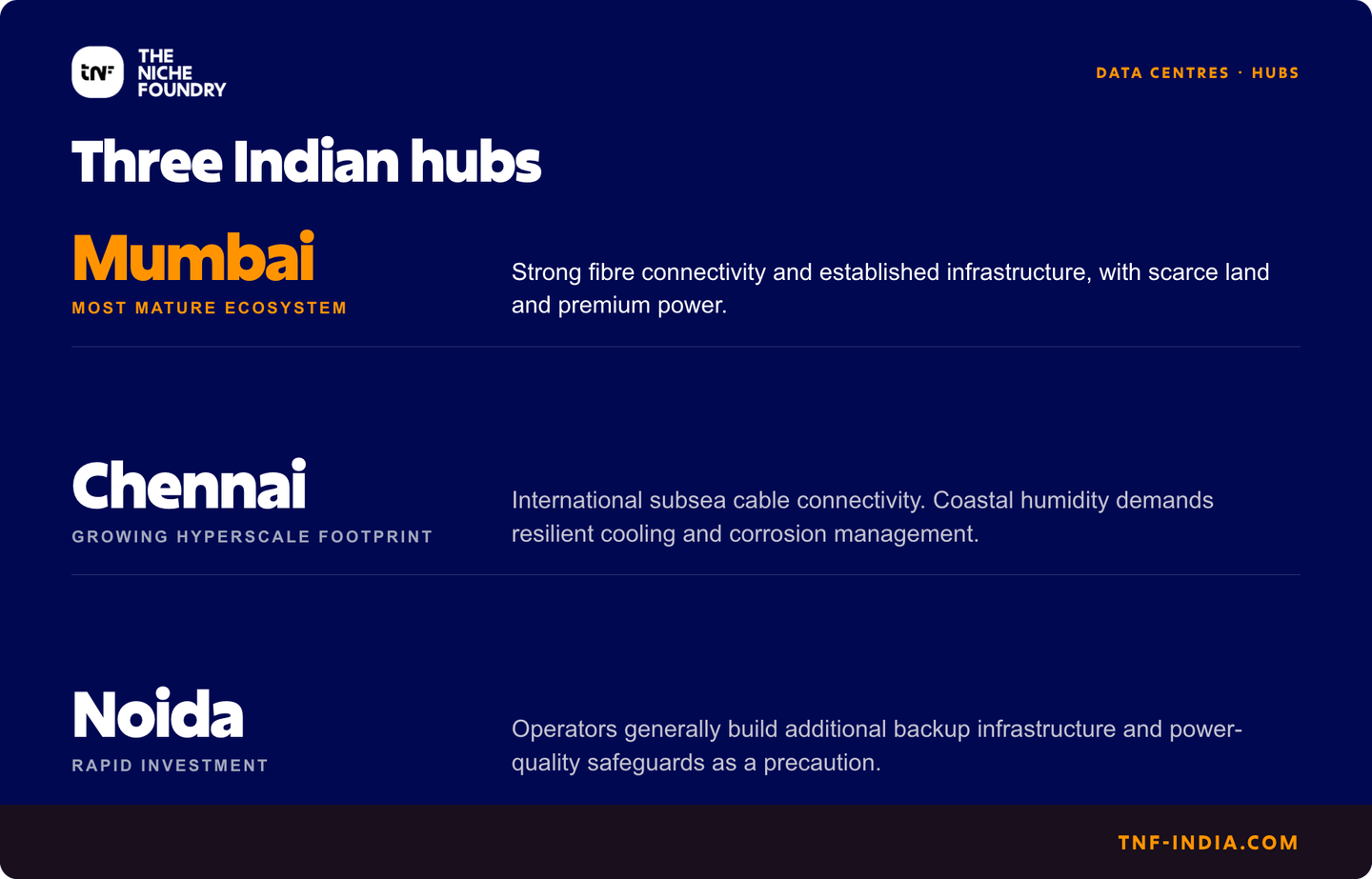
Power has always been the foundation of data centre operations. Today, it is becoming the industry's biggest constraint. As campuses scale beyond 100 MW and AI workloads drive higher power densities, operators are finding that securing reliable electricity is often more difficult than securing customers.The challenge differs across India's major markets. Mumbai offers the country's most mature ecosystem, with strong fibre connectivity and established infrastructure, but land is scarce, and power comes at a premium. Chennai combines international subsea cable connectivity with a growing hyperscale footprint, although coastal humidity demands more resilient cooling and corrosion management. Noida continues to attract rapid investment, and operators there generally build in additional backup infrastructure and power-quality safeguards as a precaution.
Site selection is increasingly driven by one question: can the location support long-term expansion? .
"Power cost and power availability have a much bigger role to play." says Mohan.
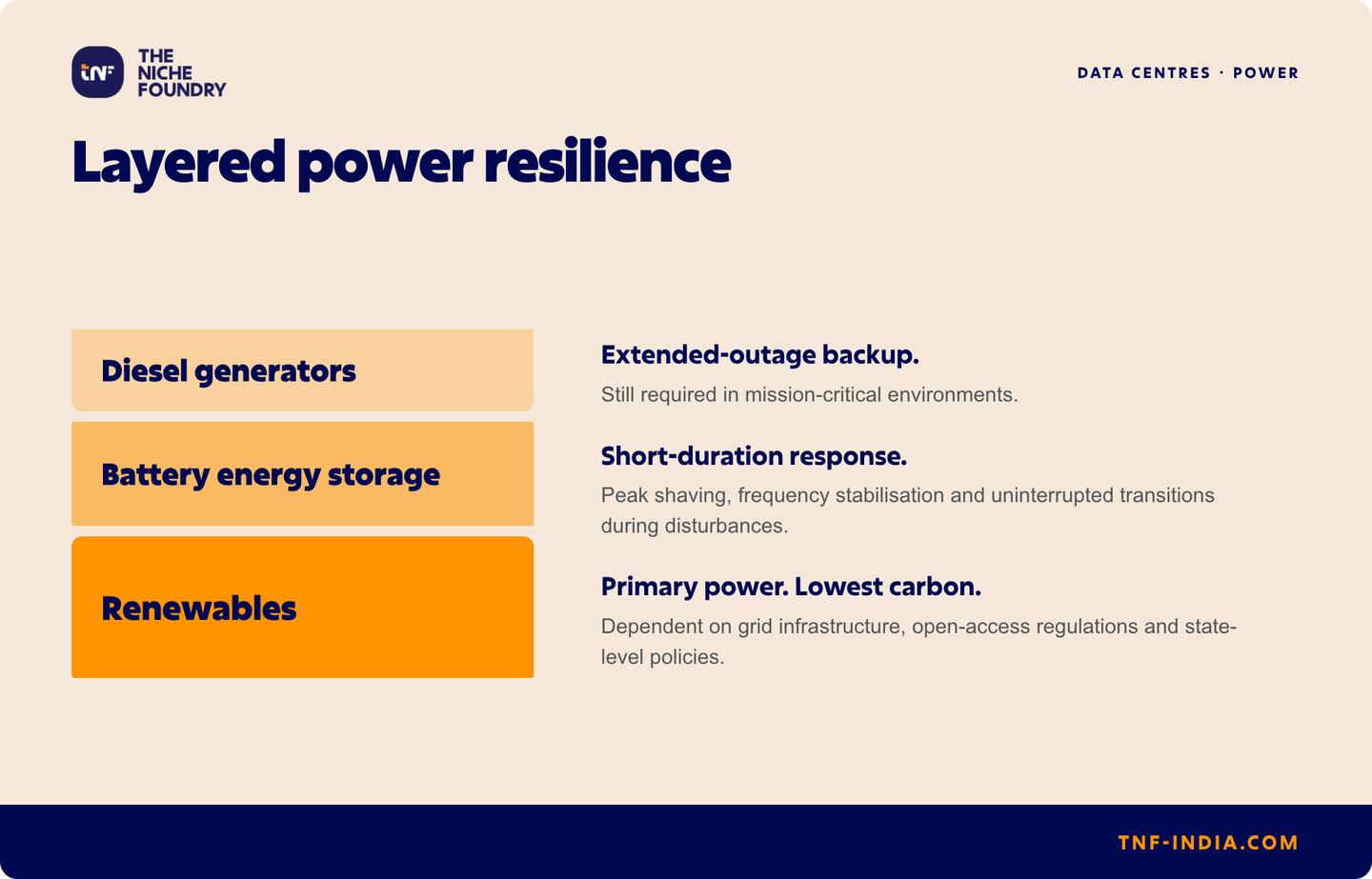
As sustainability commitments grow, questions inevitably arise about replacing diesel generators with renewable energy or battery storage. The industry's answer, at least for now, is clear. Renewable energy reduces the carbon footprint of primary power consumption. It does not replace emergency backup.
Battery energy storage systems (BESS) are beginning to play a larger role, particularly in AI-focused campuses where rapid changes in electrical load require faster response times. Batteries can provide peak shaving, frequency stabilisation and uninterrupted transitions during power disturbances. They strengthen the electrical architecture but do not eliminate the need for diesel generators in mission-critical environments.
The concern is not the availability of power but the transmission of power.Sandeep V. Dandekar
Even as renewable generation expands, operators remain dependent on grid infrastructure, open-access regulations and state-level policies to access that power. Transmission capacity, rather than generation, is emerging as the limiting factor for future hyperscale development.
India's data centre boom is no longer a race to build the largest campuses. It is a test of engineering discipline.
Cooling architecture, certification pathways, modular construction, MEP coordination and power strategy are often discussed as separate disciplines. In practice, they are interdependent. Weakness in any one of them can undermine years of planning and millions in investment.
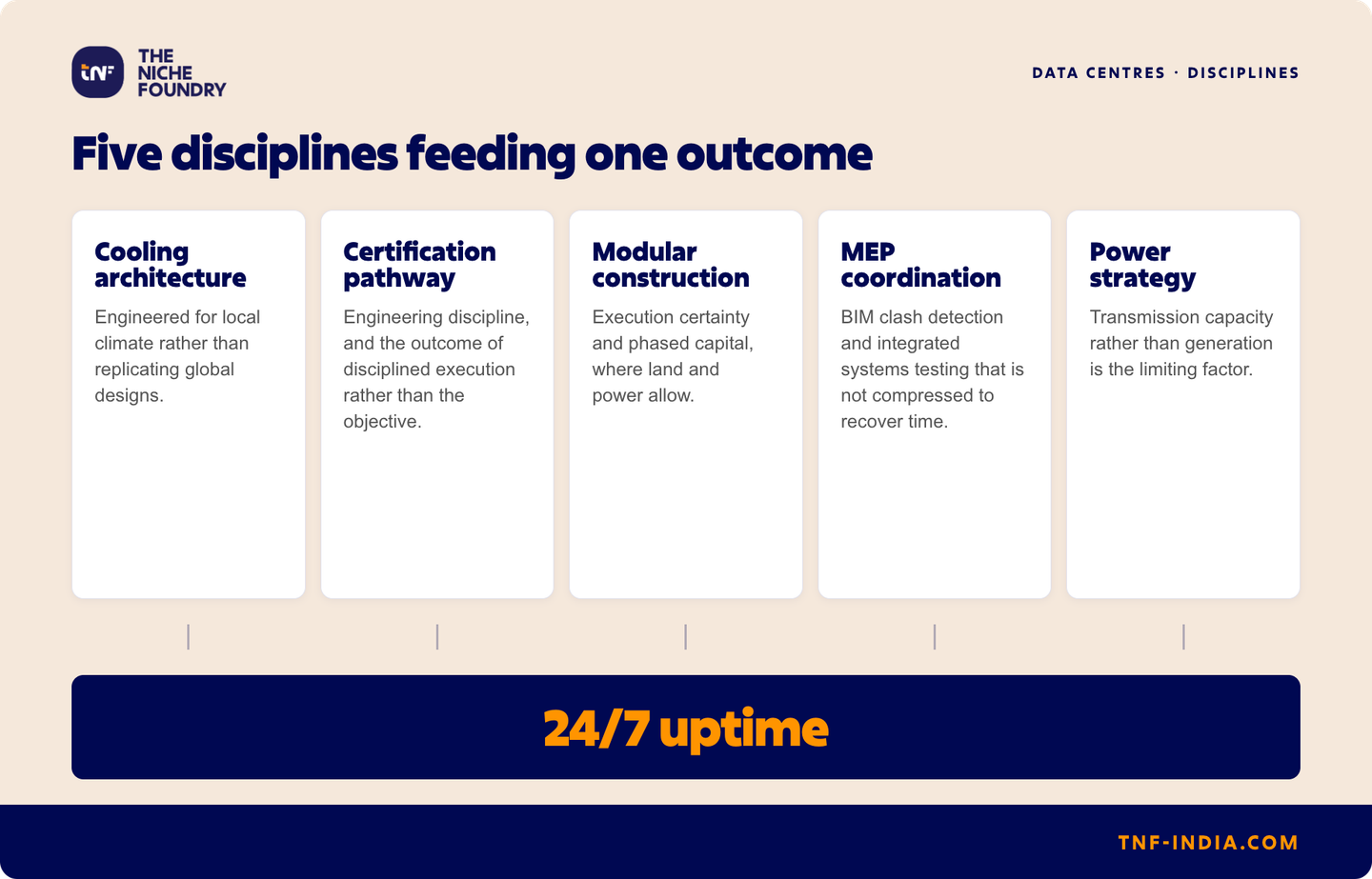
The industry's next generation of leaders will be defined less by how quickly they add capacity and more by how reliably they deliver it. It demands decisions based on lifecycle performance rather than upfront cost, disciplined commissioning rather than compressed schedules, and infrastructure planning to anticipate future AI workloads rather than today's requirements.
For operators, the lesson is straightforward. 24/7 uptime is engineered from the first design review to the final commissioning test. In a market where every second of downtime carries commercial consequences, execution has become the deciding competitive advantage.
Disclaimer: Content provided by TNF India is for informational purposes only. While we aim to provide accurate data and strategic insights, information is subject to rapid market and technological shifts. This content should not replace independent due diligence or professional consultation. TNF India bears no responsibility for any actions taken, or financial losses incurred, in reliance on this material.
What an owner should receive at handover, and what actually arrives.