TNF India Vertical Intelligence.

The Signal · Transport, Logistics and Trade · Week 36, 2026

What does it cost to put a truck on a train in India?

Five reads on India's freight and trade system this week.

In this edition

  1. 01The Award
    What is actually being built at Vadhvan?
  2. 02The Acceleration
    What does it cost to put a truck on a train in India?
  3. 03The Window
    What port construction work is open in India right now?
  4. 04The Number
    How many trucks does one freight corridor take off the road?
  5. 05The Pattern
    Where does an Indian container terminal actually burn its carbon?
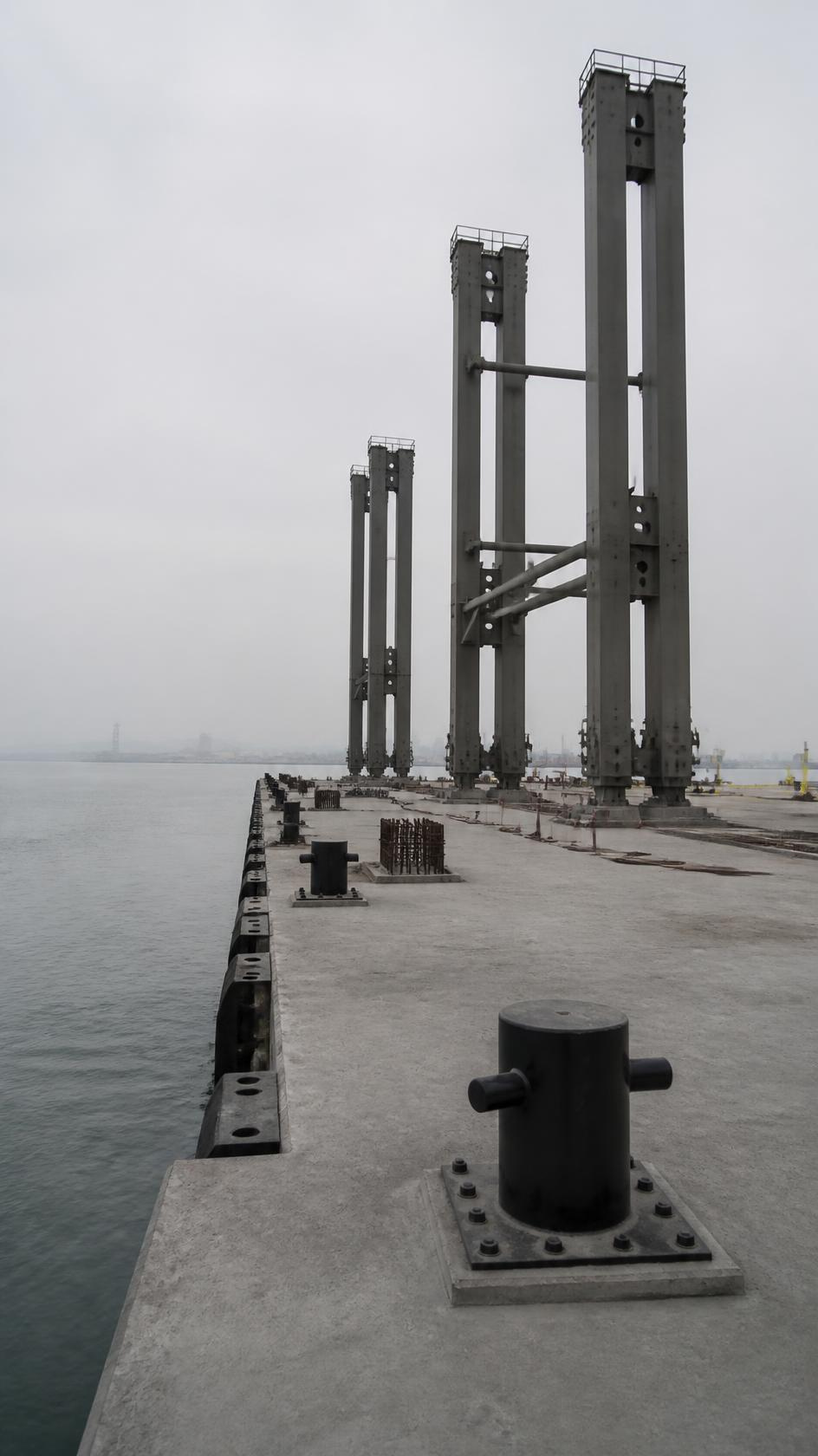
A container quay under construction, crane legs partly erected on a new concrete deck.
Container terminal construction at a deepwater port. Illustrative.

What is actually being built at Vadhvan?

Nine container terminals, each a kilometre long. The greenfield deepdraft port at Vadhvan in Maharashtra is approved at ₹76,220 crore including land acquisition, and the berth list is the part worth reading: nine container terminals of 1,000 metres each, four multipurpose berths including a coastal berth, four liquid cargo berths, a roll-on roll-off berth and a Coast Guard berth. At completion it is designed for 298 million tonnes a year, of which about 23.2 million TEU.

A kilometre-long container berth is a deliberate choice. On our reading of the specification it is the length that lets two of the largest container vessels work at once, and nine of them is a bet that ships calling India will keep getting bigger. India’s existing container capacity is largely built for a previous generation of vessel, which is part of why transhipment for Indian cargo has tended to happen at Colombo, Singapore and Jebel Ali rather than in India.

The connectivity was approved alongside the port rather than after it. Road links to the national highway network sit with the highways ministry, and rail linkage to the existing network and to the dedicated freight corridor sits with the railways ministry. That sequencing is the single most common reason a new terminal misses its designed throughput in its early years, and here it has been addressed at approval rather than left to follow.

This is the approval release and describes approved scope, not a development this week.

Who should act

Marine civil contractors, dredging companies, quay crane and yard equipment suppliers, and terminal operating system vendors. Nine terminals is nine equipment packages, and on a programme this size they will not be let at once.

Next step

Watch which berths are packaged together, because that decides whether this is a market for global terminal operators or for domestic consortia. Then track the rail linkage separately: the port’s throughput case depends on it and it sits with a different ministry.

Source and reference

Press Information Bureau, Cabinet approval for development of an all-weather greenfield deepdraft major port at Vadhavan, Maharashtra.pib.gov.in · PRID 2026695
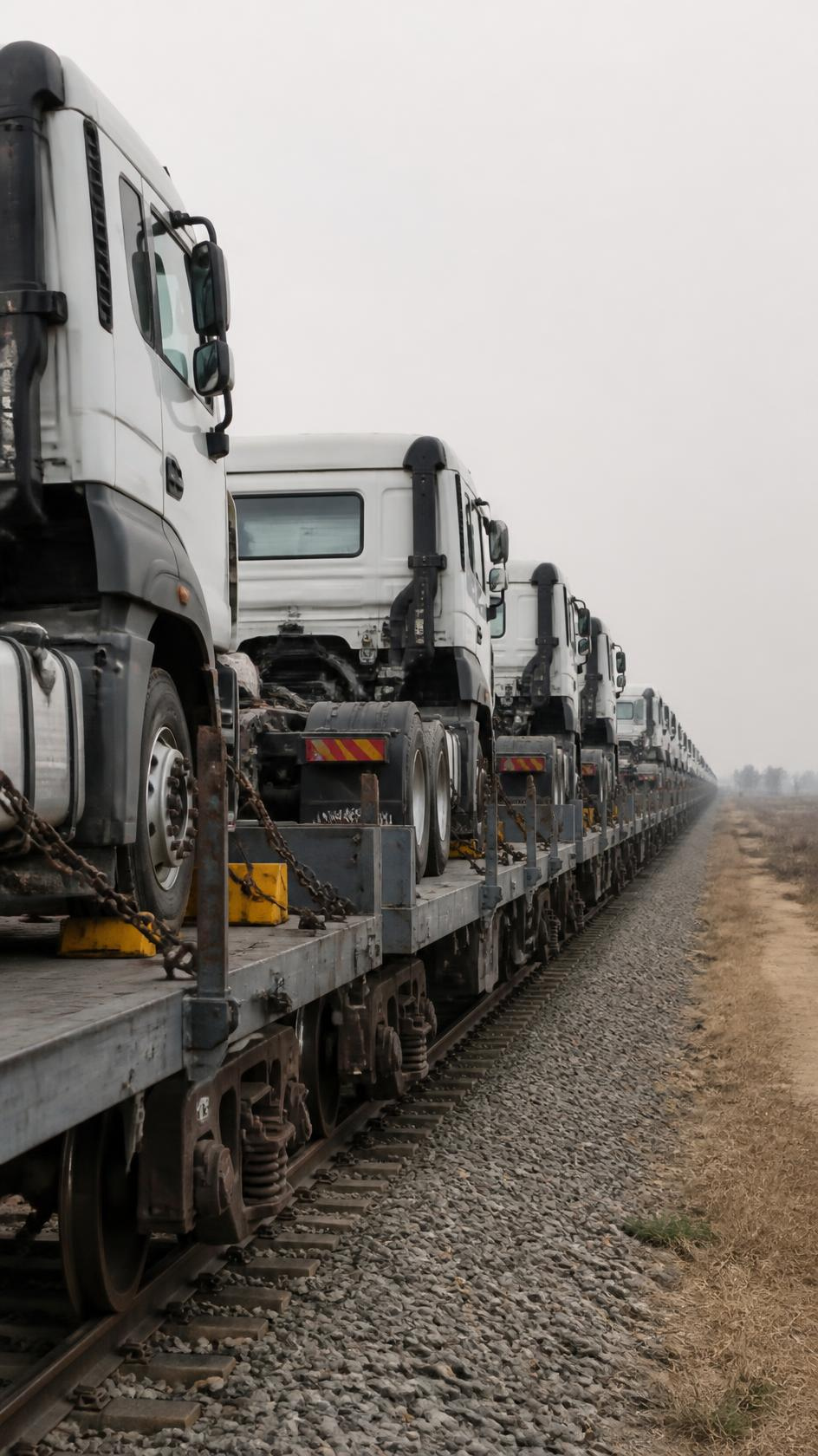
Road trucks secured on flat railway wagons receding along the length of a rake.
Road trucks carried on a dedicated freight corridor. Illustrative.

What does it cost to put a truck on a train in India?

₹25,543 per wagon for a truck up to 25 tonnes, carried 636 kilometres between New Rewari and New Palanpur on the Western Dedicated Freight Corridor. Heavier bands are ₹29,191 for 25 to 45 tonnes and ₹32,000 for 45 to 58 tonnes, and an empty truck rides for ₹21,894. The journey takes about twelve hours against roughly thirty by road.

Trucks-on-Trains is no longer a pilot. In the April to December period of FY2025 it moved 545 rakes and more than three lakh tonnes, earning ₹36.95 crore. Since inception it has run over 1,955 trips, carried more than a million tonnes and generated cumulative revenue above ₹131 crore. The two ends are almost evenly matched: New Palanpur 273 rakes, New Rewari 272.

The anchor customer is Amul. The Gujarat Cooperative Milk Marketing Federation signed a memorandum of understanding in June 2023 and dairy has carried the volume since, helped by the absence of GST on milk tankers. Automobiles, fast-moving consumer goods and food processing have followed. Open indent booking has been available since January 2024, so shippers can plan against their own cycles rather than a fixed path.

Who should act

Fleet operators running long-haul on the western corridor, and any shipper moving time-sensitive or perishable cargo between Gujarat and the north. The commercial case is not only the tariff. A truck on a train pays no highway toll for the main haul, and toll is a large and rising share of long-distance road cost.

Next step

Price your own Gujarat to north India lane against the wagon slab including toll, driver hours and fuel, not against the freight rate alone. If the lane is over 600 km and the cargo is not urgent to the hour, the arithmetic has probably already changed.

Source and reference

Press Information Bureau, Ministry of Railways, 22 January 2026. Tariffs and volumes are as published in that release. Confirm current slabs with DFCCIL before quoting them commercially.pib.gov.in · PRID 2217341
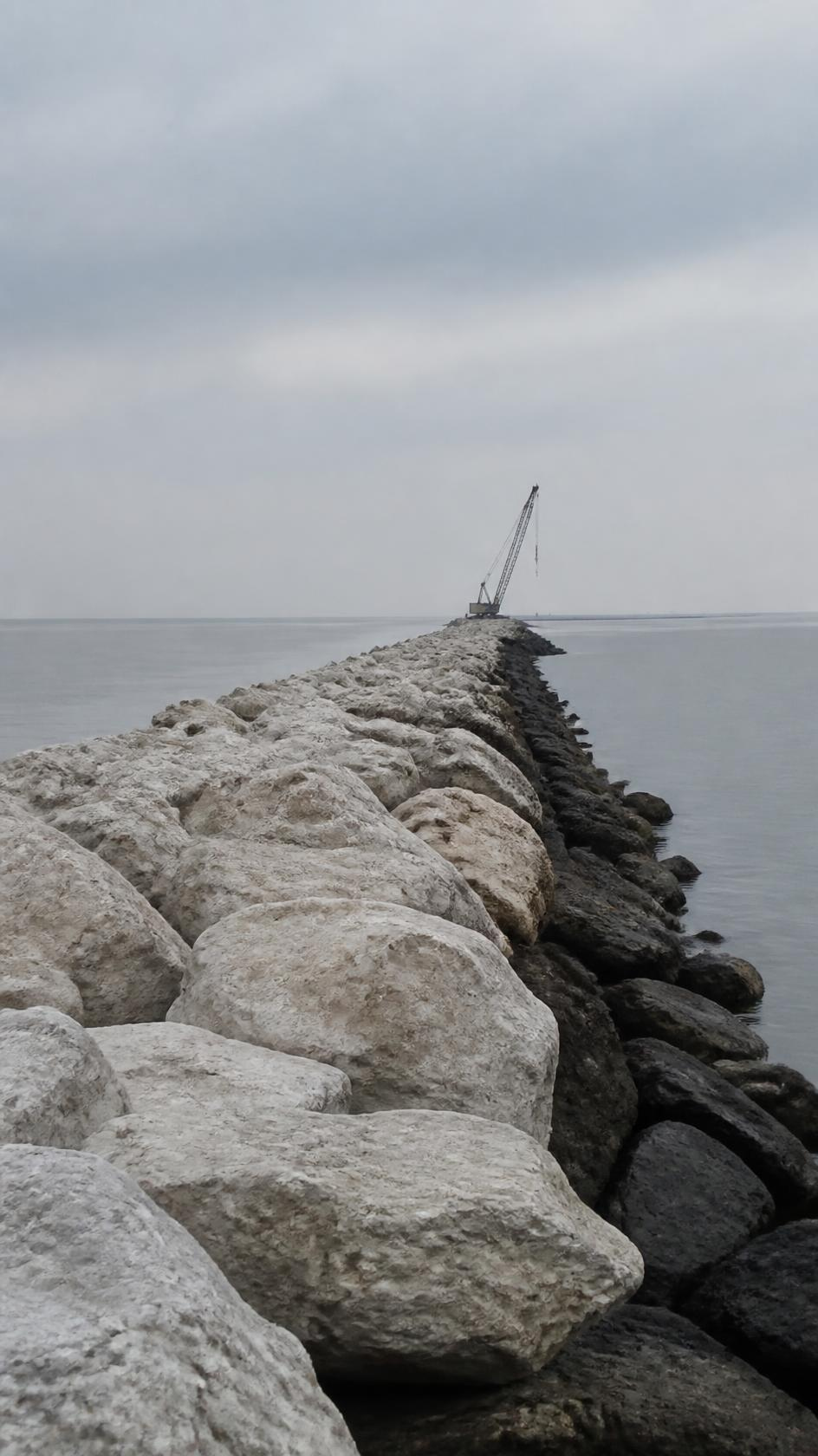
Rock armour placed along a breakwater receding into flat grey water.
Breakwater construction at a major port. Illustrative.

What port construction work is open in India right now?

One tender, and it is a substantial one. V.O. Chidambaranar Port Trust at Tuticorin is looking for a contractor to build a breakwater, a rock bund and a wharf, and to carry out the dredging and land reclamation that go with them. It is the only live marine works tender on the national procurement portal.

That combination is a whole berth pocket rather than a repair job. A breakwater creates the sheltered water, reclamation creates the land behind it, dredging creates the depth, and the wharf is what a ship ties up to. Tendering them as one package means the port wants a single contractor carrying the interface risk between marine and land works, which is where this kind of project usually goes wrong.

The scarcity is the second story. India’s major port capital programme is not procured on the national portal. JNPA, Cochin Shipyard, Vadhvan and Indian Port Rail do not appear on it. Each port authority runs its own system, which is why a supplier watching one national board sees a single tender and concludes the market is dead.

Who should act

Marine civil contractors, dredging companies and reclamation specialists. This is a qualification-led package, not a price-led one, and the field able to carry breakwater and dredging together in India is short.

Next step

On the central procurement portal set Tender Type to Open Tender and Product Category to Marine Works to find this one. Tender Type is mandatory and defaults to blank: leave it unset and the search returns nothing. Then go directly to each major port authority’s own tender page, because that is where the rest of the programme lives.

Dates to mark

Closes in early September.

Source and reference

Central Public Procurement Portal. Confirm the date on the portal before acting.etenders.gov.in · advanced tender search
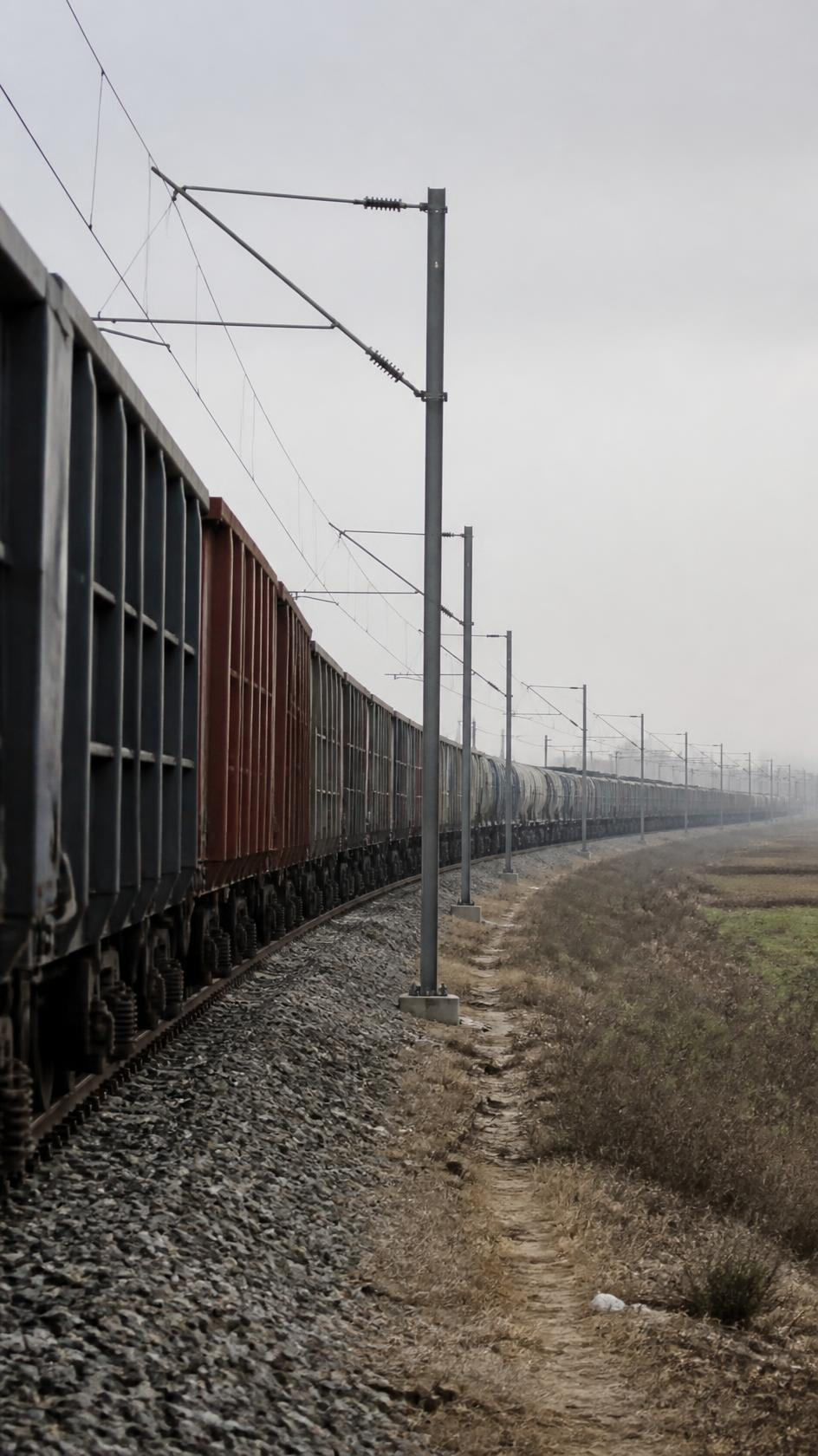
A long freight rake on an electrified corridor, its tail lost in haze.
Rail freight movement on an electrified corridor. Illustrative.

As published: approximately 48,875 trucks, 88,81,285 litres of diesel and 2,30,91,343 kg of carbon dioxide, on one corridor.

How many trucks does one freight corridor take off the road?

About 48,875, on the Palanpur to Rewari stretch alone. Indian Railways estimates that shifting that 636 kilometres of trucking to rail saves roughly 88.8 lakh litres of diesel and avoids around 2.31 crore kilograms of carbon dioxide.

The figure only works because the corridor is fully electrified. The emissions case for Trucks-on-Trains is not a rail-versus-road argument in the abstract, it is an argument about this corridor, and it will improve on its own as the generation mix behind the wires changes. That is unusual: most freight decarbonisation requires the shipper to buy something.

Why this matters

For a shipper with a corporate emissions target, a modal switch on one lane delivers a reduction that is measurable, attributable and requires no capital. It is one of very few levers in Indian logistics that lowers cost and emissions in the same decision rather than trading one against the other.

Next step

If you report Scope 3 emissions, model your longest domestic lane on rail before your next reporting cycle. The saving is claimable and the counterfactual is documented, which is more than can be said for most freight emissions claims.

Source and reference

Press Information Bureau, Ministry of Railways, 22 January 2026. These are the railway’s own estimates for a modelled full shift, not measured outcomes.pib.gov.in · PRID 2217341
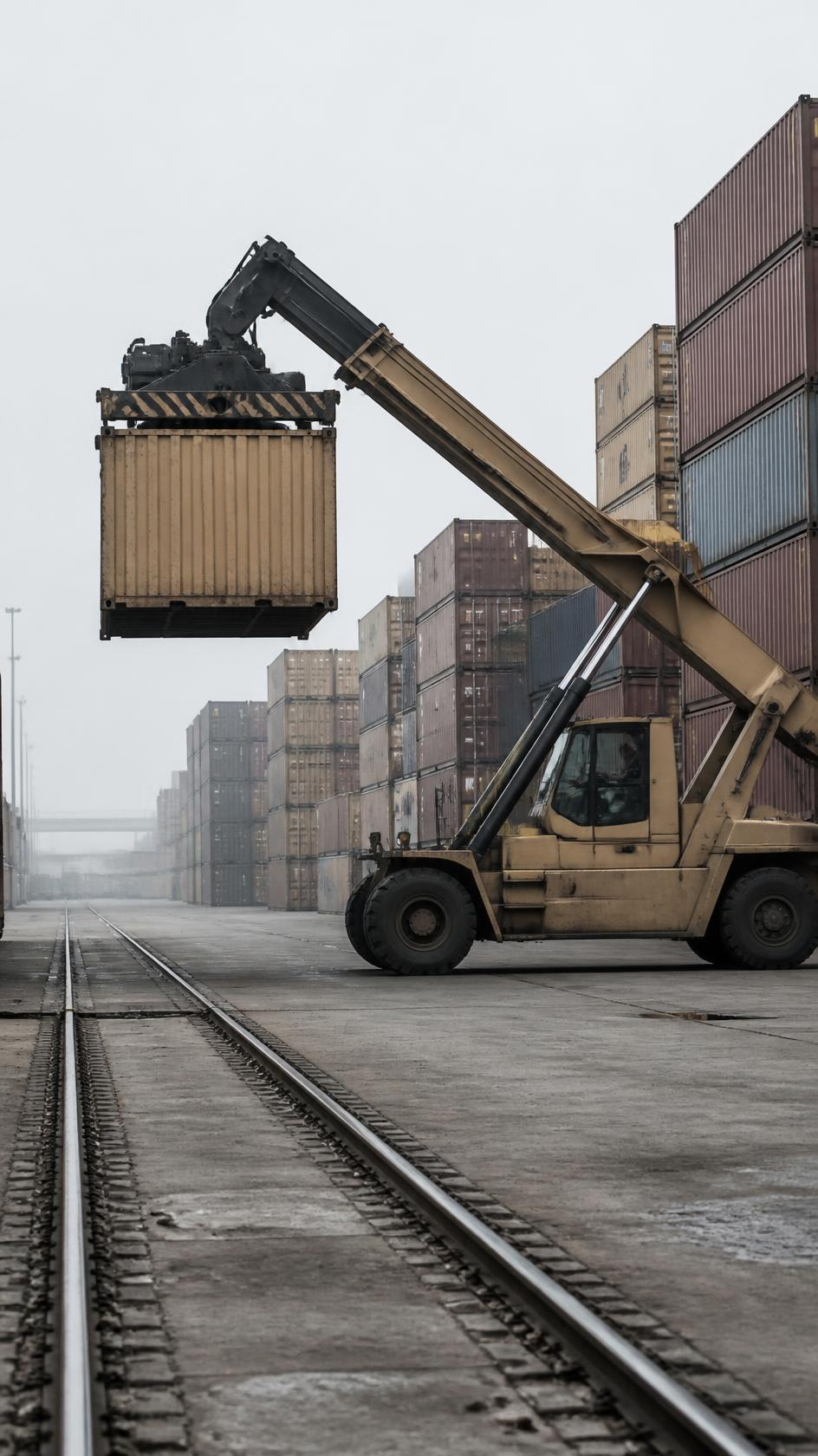
A reach stacker lifting a container in a rail-served terminal yard.
Container handling at an inland terminal. Illustrative.

Where does an Indian container terminal actually burn its carbon?

In diesel, not electricity. CONCOR reported direct emissions of 28,950.94 tonnes of carbon dioxide equivalent for FY2024-25, against 17,105.63 tonnes from the power it bought. For a terminal operator, direct fuel outweighs purchased electricity, which is the reverse of almost every office-based business in the same economy.

The contrast makes it concrete. RITES, a consultancy in the same infrastructure sector, reported 230.26 tonnes of direct emissions against 2,615 tonnes of purchased power, a ratio of roughly eleven to one in the opposite direction. One footprint is reach stackers, yard tractors and haulage. The other is air conditioning.

That difference decides where the money goes. Where direct emissions dominate, decarbonisation is an equipment replacement programme with a capital cycle attached, and equipment cycles in container handling run to a decade or more. Where purchased power dominates, it is a procurement decision that can be made this quarter.

Who should act

Suppliers of electric and hybrid handling equipment, yard electrification and charging infrastructure. You are selling into a capital cycle, not a procurement cycle, so the conversation has to start years before the replacement.

Next step

Before pitching decarbonisation to any logistics buyer, read which scope dominates their reported footprint. It tells you whether you are selling to engineering or to procurement, and those two do not share a budget.

Source and reference

Container Corporation of India annual report 2024-25 and RITES business responsibility and sustainability report 2024-25, from the companies’ own websites. A consultancy and a terminal operator are different businesses; the ratio is the comparable figure, not the absolute totals.concorindia.co.in · investor relationsrites.com

Next Monday, five more.

The Signal lands every Monday morning with five reads for Transport, Logistics and Trade, each one traced to the record it came from.

One email a week. Change industry or unsubscribe from any issue.

We use your details to send The Signal and, where relevant, to tell you about TNF India events. Privacy notice

All tender references in this edition were re-verified against the live listings on the morning of 31 August 2026. Figures on live listings change; confirm dates on the portal before acting. Images are illustrative and do not depict the projects or people described. Corrections and grievances

Where the community connects

In the room in February 2027

Read TNF India free as an Observer — five articles a month, two industry reports a year, and 25% off delegate passes across TNF events worldwide.

Join Free

Ready to Elevate Your Strategic Intelligence?

We help you make sense of what’s happening and work out what to do next.