Who Runs India’s Highways, Metros and Freight Corridors: Scale and Data Gaps
India's transport networks are growing, but the figures on kilometres operated and assets monetised reveal far less about who pays for maintenance, what repairs lie ahead and how much they will cost.
India's transport networks are growing, but the figures on kilometres operated and assets monetised reveal far less about who pays for maintenance, what repairs lie ahead and how much they will cost.
India has about 1.46 lakh km of national highways, 1,159 km of operational metro and regional rapid transit lines, and 2,843 route km of dedicated freight corridors. The scale is visible, but the cost of maintaining these networks is less clear.
Highway operators manage portfolios running into thousands of lane kilometres, but their maintenance responsibilities depend on contract duration, payment terms and who bears the cost of major repairs.
NHAI realised ₹28,307 crore through highway monetisation in FY26, yet asset values and operator revenues reveal little about future maintenance spending or the repairs coming due.
A highway takes about 5 years to build and about 30 to operate and maintain. In India, concessionaires and infrastructure investment trusts (InvITs) run some of the largest operating highway portfolios, whilst dedicated public entities run metro networks and freight corridors. For a project director, the question is who carries the long-term maintenance duty once construction ends, and under what contractual terms.
Public disclosures do not consistently separate maintenance costs from other operating expenses. Operators are easier to compare on network size than on the financial responsibilities they carry. Highways come first, because their operators and contract terms are the easiest to see.
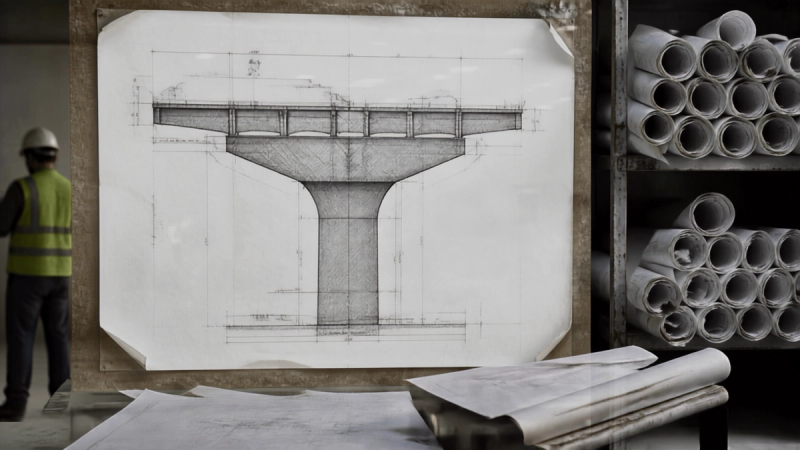
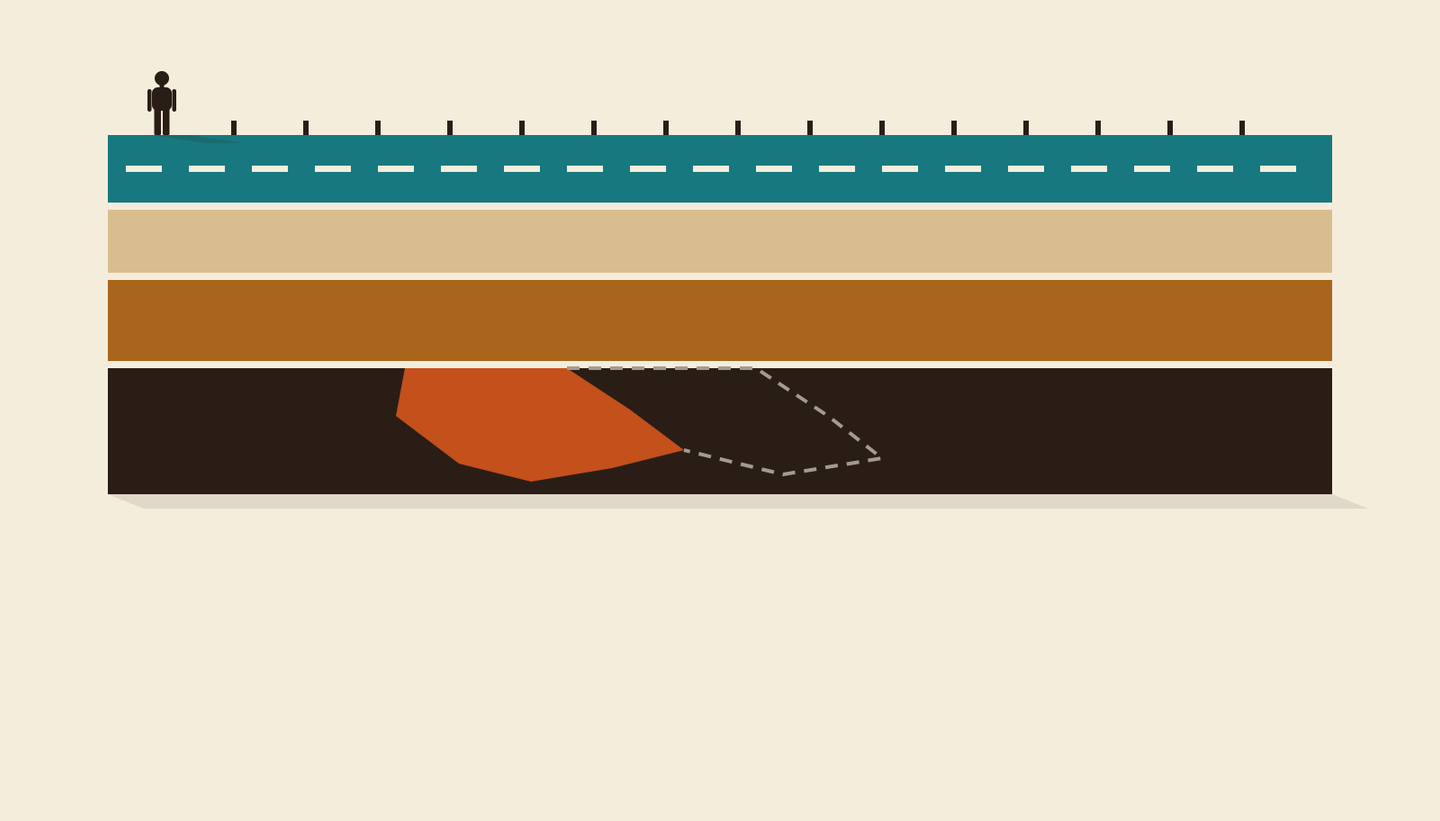
The surface is what people see. Maintenance and repair costs sit in the layers beneath.
Who operates India's national highways after construction?
Private concessionaires and InvITs, including IRB Infrastructure Developers, Cube Highways Trust, Vertis Infrastructure Trust and Interise Trust, manage substantial highway portfolios across India.
Lane km count each lane separately, so a 100 km four-lane highway represents 400 lane km. Portfolio lengths reported in lane km therefore cannot be compared directly with India's national highway network, which the MoRTH puts at about 1.46 lakh km of road length.
These portfolio figures show operational footprint, but not the maintenance responsibilities each operator carries. That depends on the underlying contract. A concessionaire collecting tolls maintains the road throughout its concession, while a construction contractor's obligations generally end after the defect liability period.
How are highway operators paid, and who carries maintenance?
Payment models determine who maintains a highway, for how long and how that work is funded. Under the build operate transfer (BOT) model, concessionaires generally operate and maintain highways for 15 to 20 years. In a BOT toll project, revenue depends on traffic, so the concessionaire carries that risk. Under the BOT annuity, the government makes scheduled payments instead.
Two operators with identical lane kilometres can face vastly different cash flow risks and renewal burdens. The timing of the next major resurfacing matters just as much as portfolio size.
How much of India's operating national highway portfolio has been monetised?
Under asset monetisation, the National Highways Authority of India (NHAI) transfers operating rights over completed highways to investors for an agreed period in return for payment. The investor takes on the operating and maintenance responsibilities specified in the agreement.
In March 2026, NHAI reported realising ₹28,307 crore in FY26 through public and private InvITs and toll-operate-transfer contracts, against a government budgeted target of ₹30,000 crore. NHAI also accepted Raajmarg Infra Investment Trust's ₹9,500 crore offer for five national highway sections spanning over 260 km across Jharkhand, Andhra Pradesh, Tamil Nadu and Karnataka. The share of the operating network already monetised is less clear.
The open point on any transferred highway is who pays for the next major repairs. A highway nearing resurfacing could bring substantial costs soon after transfer, depending on the agreement.
Who runs India's metro networks and dedicated freight corridors?
Metro networks and dedicated freight corridors are largely operated by public-sector entities, although some metro services operate under public-private partnerships. As of July 2026, India has about 1,159 km of operational metro rail network, including 82.15 km of the Delhi–Meerut Regional Rapid Transit System (RRTS). Maharashtra Metro Rail Corporation Limited (Maha Metro) operates metro services in Nagpur and Pune.
For metro operators, the challenge is maintaining reliable services as networks expand and equipment ages. For DFCCIL, it is keeping freight corridors operational as freight volumes grow.
Are maintenance order books public for India's transport operators?
Publicly available financial reports provide some information on maintenance spending, but the level of detail varies between operators. For example, IRB InvIT's FY25 annual report provides project-wise operating and maintenance costs. However, reported expenditure alone does not show what an operator may need to spend on future repairs or how those costs are allocated under its contracts.
That distinction matters because maintenance obligations vary across concession and procurement models. Under BOT, HAM, TOT and InvIT arrangements, operators carry maintenance responsibilities over different periods, while some construction and equipment contracts include maintenance beyond the defects liability period. Comparing operators therefore requires more than portfolio size or annual expenditure. Project directors need to know which repairs are covered, when major work is due and who is responsible for paying for it.
What should project directors ask operators for?
Beyond portfolio size, project directors should ask operators five questions.
What does maintenance cost? Ask for several years of spending on routine upkeep and major repairs, alongside projected costs. Where possible, compare expenditure per lane km or route km, accounting for asset condition and the work covered.
Who pays for what? Check the remaining contract term, how the operator is paid and who bears the cost of major repairs.
Are maintenance standards being met? Review inspection reports, outstanding defects and completed repairs. These records are particularly important under performance-based maintenance contracts and concession agreements, where operators must meet contractual maintenance standards.
Can the operator keep up as assets age? Review staffing, equipment condition and service disruptions.
What repairs are coming up? Ask for a three-to-five-year schedule of resurfacing, bridge repairs and equipment replacements, along with estimated costs and funding provisions.
India's transport networks are growing, but knowing how much infrastructure an operator manages says little about what it costs to maintain. Until highway concessionaires and metro operators separate routine maintenance, major repairs and spending per lane km or route km, project directors will have to extract that detail contract by contract. The operators that offer it first will be the easiest to compare.
Next in The Running LineEvery part, as it publishes
Niharika PahwaContent Manager, Construction & Infrastructure, Energy & Utilities at TNF India
Niharika Pahwa leads content coverage for the construction, infrastructure, energy, and utilities sectors at TNF India. She focuses on industry trends, investment activity, and the evolving policy and regulatory landscape.
An Economics (Honours) graduate with experience in market intelligence, Niharika combines an analytical approach with deep sector research to translate complex industry data into clear, strategic insights for business decision-makers.See every article by Niharika Pahwa
The As-Built
Construction and Infrastructure · 8 parts
What an owner should receive at handover, and what actually arrives.